The Toyota Hilux is trusted across Zambia, but its reputation can make it a costly benchmark. That doesn’t automatically make every alternative better value, because the final cost depends on condition, specification, shipping and Zambian charges.
The right alternative must suit your work, roads, parts supply and repair budget. A farm pickup faces different demands from a family vehicle used around Lusaka and on inter-town highways.
This guide compares the Mitsubishi Triton, Nissan Navara, Isuzu D-Max and Mazda Bongo Truck. The Bongo has a confirmed vehicle page; the other models are general import recommendations, so confirm each model’s availability and specification before payment. For broader buying advice, see this guide to used cars for sale in Zambia.
Quick Answer
- The Mitsubishi Triton is the strongest value-focused 4WD alternative.
- The Isuzu D-Max suits farms, contractors and commercial work.
- The Nissan Navara is the comfort-led choice for family and highway use.
- The Mazda Bongo Truck suits light loads, not heavy-duty work.
- Compare the full landed and on-road cost, not only the advertised vehicle price.
The Qualities of a Good Hilux Alternative in Zambia
In 2026, Zambia Revenue Authority’s “Valuation of Goods” guidance describes six customs valuation methods applied sequentially when transaction value cannot be used. That makes the cheapest advertised pickup only a starting point, not a final buying decision. The best alternative matches your job, condition requirements, parts access and import costs.
A 4x2 may suit Lusaka traffic, paved highways and regular shop deliveries. A 4x4 makes more sense for farms, mines, wet-season access and rough rural roads. Payload, ground clearance and suspension condition matter just as much as engine power.
Diesel pickups can suit heavy work, but an older diesel may cost more to repair. Engine size also matters because Zambian import assessment depends partly on cubic capacity. Always confirm the exact model code, engine, gearbox and drivetrain before payment.
Only the Mazda Bongo is tied to a confirmed vehicle page in this article. The Triton, Navara and D-Max are model-level recommendations, not confirmation that a specific vehicle is currently listed or available.
| Buyer need |
Most relevant characteristic |
Strongest candidates |
| Farm and rough roads |
4WD, clearance and underbody condition |
Triton, D-Max |
| Business loads |
Payload, chassis strength and serviceability |
D-Max |
| Lusaka and highway use |
Ride comfort and cabin practicality |
Navara, Triton |
| Light deliveries |
Compact size and manoeuvrability |
Bongo Truck |
| Resale confidence |
Local familiarity and parts support |
Hilux benchmark |
The phrase “Japanese pickup” needs care. A Japanese badge does not guarantee Japanese domestic-market stock. Some Navara, D-Max, BT-50 and Triton versions were developed or supplied for export markets, so the sourcing route must be checked separately for each generation and model code.
Is the Mitsubishi Triton the Best Value 4WD Alternative?
In 2018, Mitsubishi Motors’ “World Debut of the New TRITON/L200” described a one-ton pickup with a ladder-type frame and Super Select or Easy Select 4WD, depending on version. That combination makes the Mitsubishi Triton a strong value-focused choice for mixed city, farm and inter-town driving.
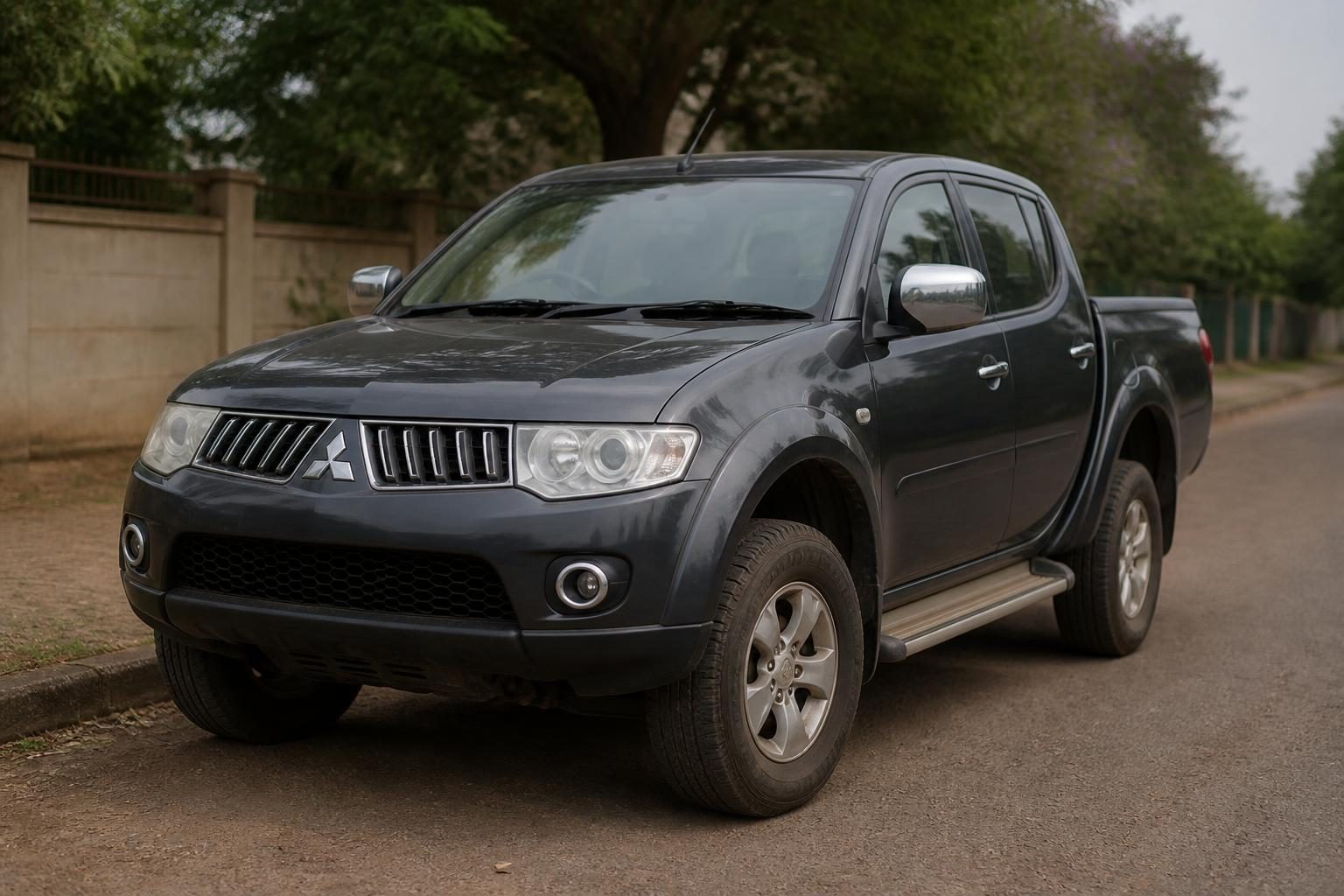 2018 Mitsubishi Triton
The Mitsubishi Triton offers a practical middle ground between a basic work truck and a family SUV. Its ladder frame, diesel engine options, double-cab layouts and applicable 4WD systems suit buyers who need real traction without choosing a Hilux.
The exact 2018 engine and transmission depend on the market and variant. Do not apply newer Japanese-market Triton specifications to an older vehicle without a readable, official source for that exact model. Confirm the engine code, transfer case, differential and service history.
Mitsubishi’s 2018 release also explains that Super Select and Easy Select systems differ. Don’t assume every Triton has Super Select. The system fitted affects how useful the pickup will be on mud, sand, steep tracks and wet-season roads.
Good for: mixed Lusaka, farm and regional use.
Skip it if: the widest Toyota parts network and easiest resale matter most.
Could the Nissan Navara Suit Family and Highway Use?
A later Australian-market Navara specification lists a 2,298cc twin-turbo diesel producing 140kW and 450Nm, with 4WD versions and payload above 1,000kg. These figures should be checked against the relevant Nissan technical information. Those figures describe that specific market and model year, not every 2018 or Japanese-market Navara.
Check an accessible official source for the exact vehicle before comparing specifications. The Nissan Navara suits buyers who carry tools during the week and passengers at the weekend. Its double-cab layout and settled road manners can make long inter-town trips easier than a basic work-focused truck.
The important word is generation. A 2018 Navara may have different engine, suspension, chassis and transmission details from a later model. Inspect the chassis, turbo system, automatic transmission, suspension and cooling system carefully.
Parts support also deserves attention before you commit. A comfortable pickup can become an expensive choice if parts are difficult to find in your area. Check current Zambia listings and confirm the source market and exact model code before treating a Navara as available to order.
Good for: family use, highways and moderate work.
Skip it if: you need the simplest possible fleet maintenance plan.
Is the Isuzu D-Max the Strongest Workhorse Alternative?
In 2020, Isuzu’s “New D-MAX” specification displayed a 2,999cc four-cylinder diesel with 140kW, 450Nm, 4x4 and a six-speed automatic transmission. That is a specific manufacturer reference, not a specification for every 2018 D-Max, but it supports the model’s work-focused positioning.
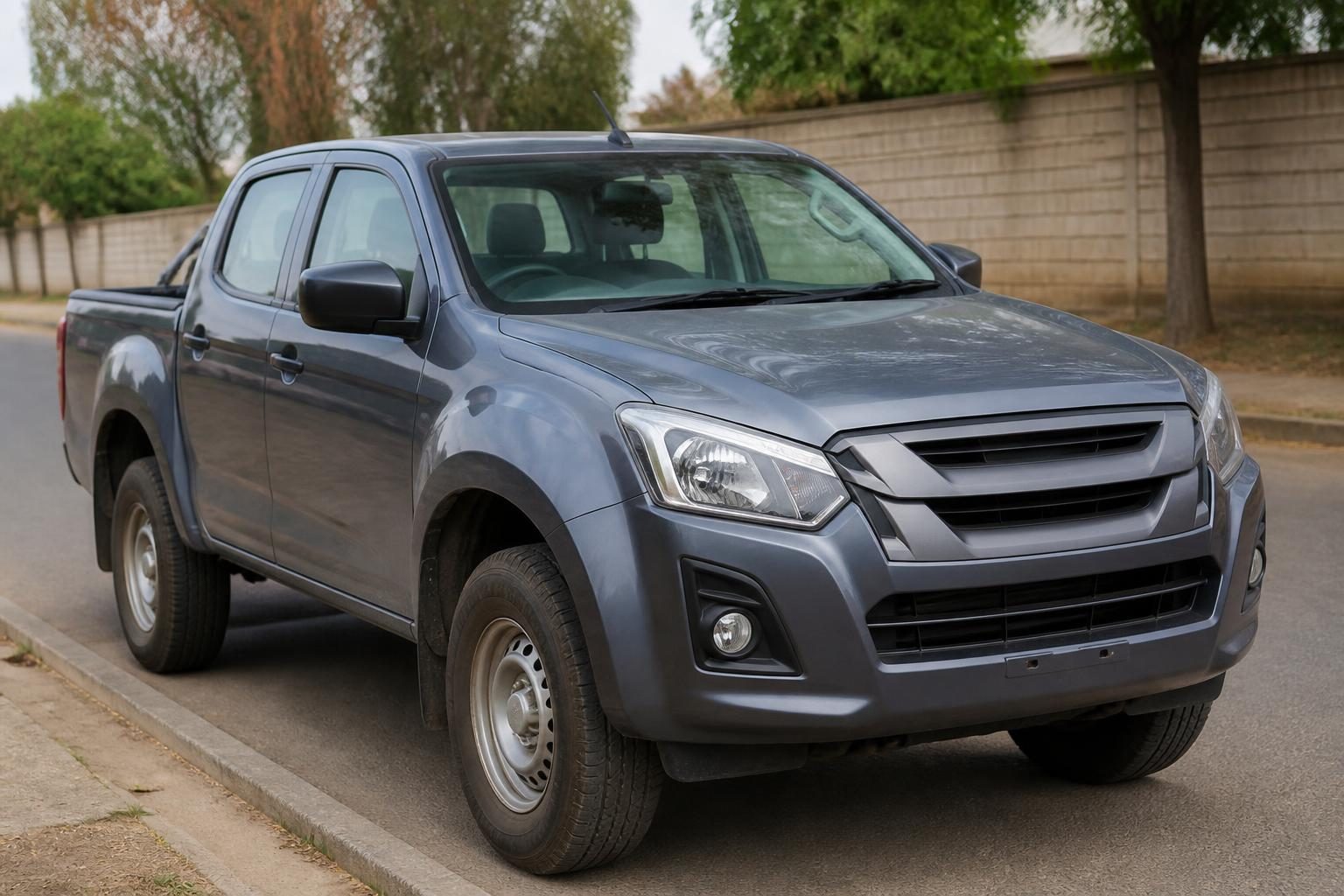 2018 Isuzu D-Max
The Isuzu D-Max makes the most sense for farmers, contractors and small businesses that carry loads regularly. Its practical diesel character suits unsealed roads, work sites and regional routes better than buyers who mainly want a soft urban drive.
Exact 2018 D-Max specifications vary by engine, gearbox and market. Some versions use smaller engines, while others use the 3.0-litre diesel. Check the engine size in cubic centimetres, 4WD operation, leaf springs, differential noise and signs of overloading.
Inspectors should also look for injector problems, turbo smoke, chassis repairs and underbody damage. A strong workhorse reputation cannot repair a neglected example.
Good for: farm work, construction, commercial loads and rough routes.
Skip it if: SUV-like comfort matters more than carrying ability.
Can the Mazda Bongo Truck Work as a Compact Utility Option?
As of 2026, the confirmed vehicle page for the Mazda Bongo shows a 1,780cc petrol engine, 4WD, manual transmission and three seats. Its compact format makes it a light-duty utility choice, not a full-size Hilux substitute for heavy loads or demanding off-road work.
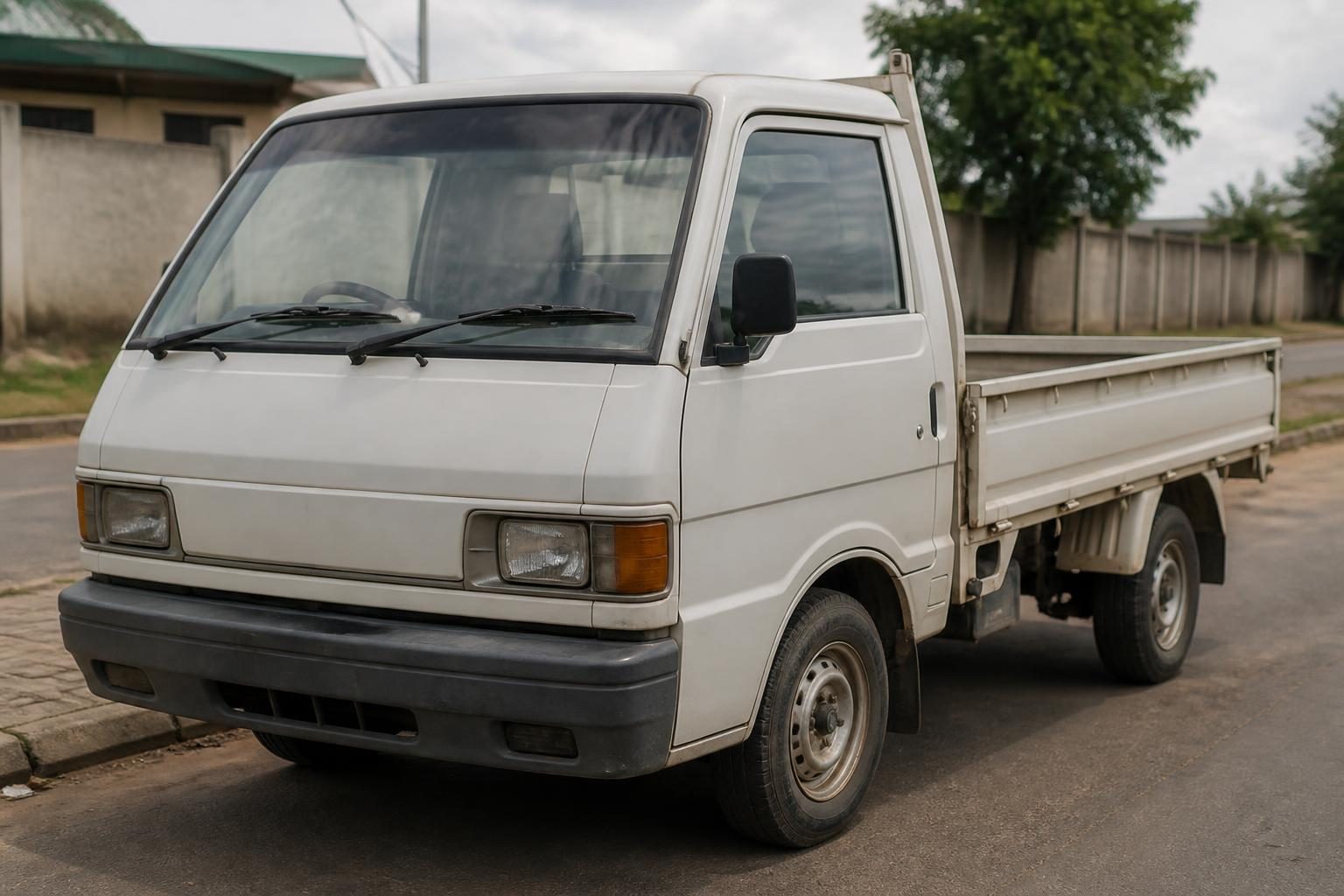 1994 Mazda Bongo Truck
The Mazda Bongo Truck is best suited to narrow roads, shop deliveries, light farm work and modest business loads. Its small dimensions should make manoeuvring easier than with a full-size double cab.
The listed vehicle is a 1994 SE88M with 17,000 kilometres, auction grade 4, and a power figure of 76 as displayed on the vehicle page. The page also lists 3,995mm length, 1,690mm width and 1,920mm height.
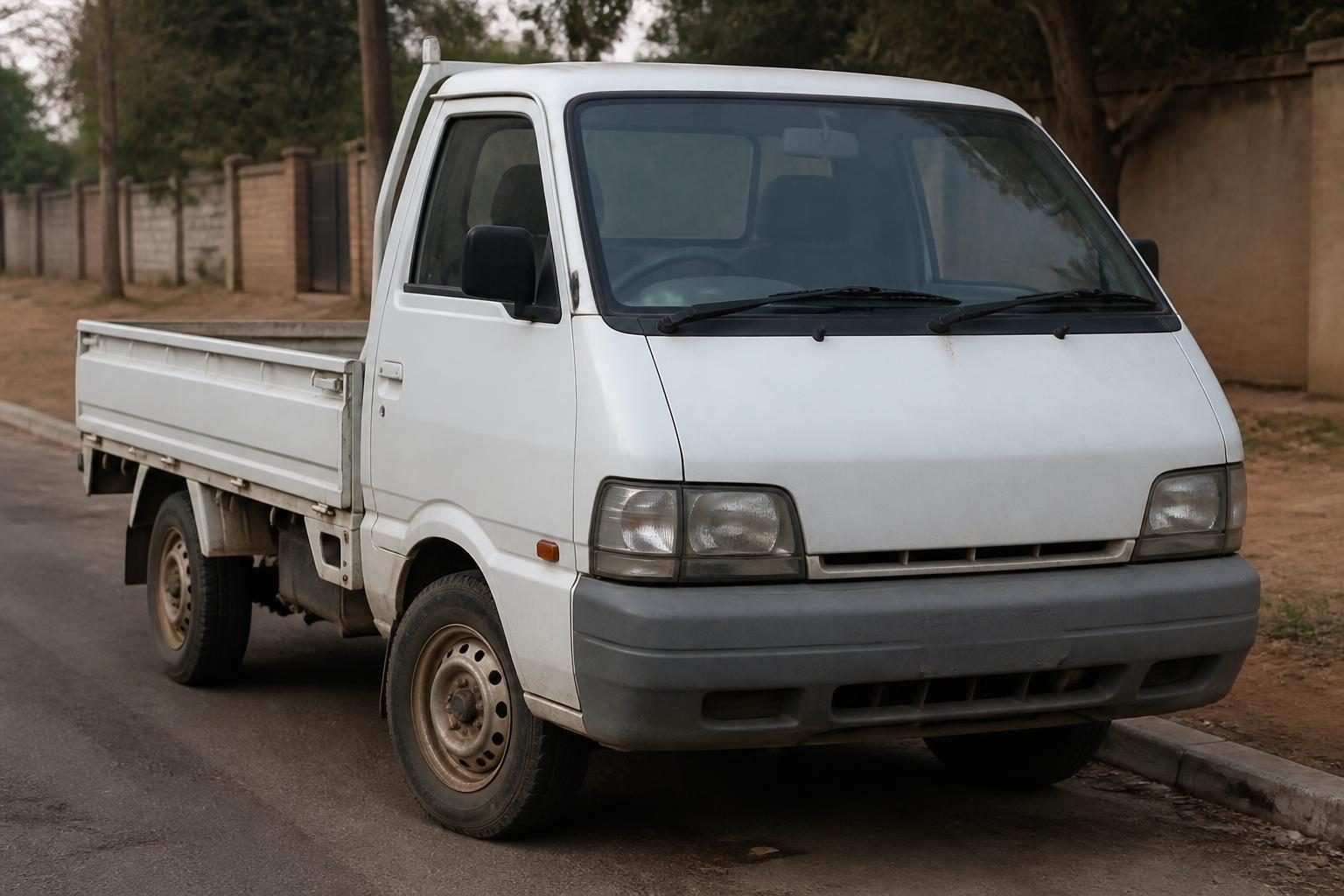 1994 Mazda Bongo Truck
An older petrol truck needs careful condition checks. Confirm corrosion, cooling performance, load requirements, parts access and 4WD operation before deciding. It is not the right choice for mining, heavy construction materials or regular long-distance passenger travel.
Good for: light deliveries, small farms and compact utility work.
Skip it if: you need Hilux-level payload, cabin space or highway comfort.
Which Hilux Alternative Fits Your Type of Work?
In 2020, Mazda’s “Mazda Unveils All-New Mazda BT-50” release listed 1,065kg payload and 3,500kg towing for an Australian 4x4 double cab. It also confirmed that the model was supplied by Isuzu on an OEM basis, showing why generation and platform checks matter.
| Model |
Best suited to |
Main strength |
Main concern |
| Mitsubishi Triton |
Mixed use and 4WD |
Value and capable drivetrain options |
Parts familiarity varies |
| Nissan Navara |
Family and highway use |
Ride comfort |
Generation-specific repair risks |
| Isuzu D-Max |
Farms and commercial work |
Workhorse character |
Less refined ride |
| Mazda Bongo Truck |
Light utility work |
Compact size |
Limited space and payload |
| Toyota Hilux |
Resale and broad support |
Familiarity and demand |
Higher purchase premium |
On the criteria used here, the Triton looks like a strong value-focused 4WD option. The D-Max may be the better fit for contractors and farms, while the Navara may suit buyers who spend more time on highways. The Bongo is worth considering only when loads are modest.
Treat these as buyer-fit recommendations, not universal rankings, and verify local parts support for the exact generation. The Mazda BT-50 remains a relevant comparison, but it should be judged by generation. Do not assume every BT-50 shares parts with a D-Max, and do not assume any of these export-oriented pickups can automatically be sourced from Japan.
For detailed model information, check the verified vehicle specifications before comparing engine size, drivetrain or equipment.
What Should You Check Before Importing a Used Pickup?
In 2026, JEVIC’s “Vehicle Inspection” page describes structural inspection, odometer inspection and vehicle-function inspection. A JEVIC inspection is a pre-export check of those areas. An auction sheet is the Japanese auction’s record of a vehicle’s condition, damage and mileage, while an auction grade is its overall condition rating.
Those records reduce uncertainty, but they don’t replace your own review of the auction sheet and buying process, model code and expected repair costs. The auction grade should always be read alongside the damage diagram and written comments.
Start with eligibility. Carbarn’s Zambia guidance says it accepts right-hand-drive vehicles and has no stated maximum import age. That does not remove age-related customs treatment or condition risk, so older vehicles still require careful checks of corrosion, parts availability, condition and resale planning. Confirm the current position with Zambia import rules for Japanese vehicles before committing.
Before payment, check:
- Official auction sheet and auction grade.
- Chassis rails, underbody corrosion and accident repairs.
- Turbo smoke, injector noise and cooling performance.
- Differential noise, suspension wear and 4WD engagement.
- Engine size in cubic centimetres.
- Signs of commercial overloading or towing abuse.
- Parts supply for the exact generation.
Zambia Revenue Authority’s “Importation of Goods” guidance explains that customs valuation can include the price, freight, insurance and other costs up to the point of entry. A landed cost means the vehicle and shipping cost before Zambian duties, registration and port-clearance charges. The quoted import price is therefore not the complete on-road total.
The stated Zambia route is from Japan by RoRo to Dar es Salaam, followed by overland delivery into Zambia. Carbarn’s Zambia guidance gives an estimate of about 6 to 10 weeks from payment confirmation to delivery, while transit time alone may differ. Review the import guidance before committing.
A useful inspection-team checklist starts with paperwork, then moves underneath the vehicle. Chassis damage, differential noise and poor 4WD engagement can matter more than a clean exterior photograph.
Support Available When Importing a Pickup
In 2026, the Zambia import rules page states that only right-hand-drive vehicles are permitted, no age limit applies, and RoRo shipping uses Dar es Salaam as the primary port. These rules explain why sourcing, documentation and route planning matter as much as the pickup badge.
The published buying process provides a proforma invoice, vehicle details, inspection documents and shipment updates. It also separates the quoted vehicle cost from customs duties, local registration and port-clearance charges.
Compare pickup models before importing
Consider a 4WD SUV instead of a pickup
Browse Zambia vehicle listings
In the final step, Carbarn’s Zambia import process describes the service as Japan-based exporting and provides the official Japanese auction sheet plus an in-house inspection report before payment. Vehicles receive JEVIC certification before export, then travel by RoRo to Dar es Salaam.
The quoted vehicle price covers the vehicle, shipping and JEVIC inspection. Customs duties, local registration and port-clearance charges remain separate. Buyers can use the dashboard for invoices, inspection reports, certificates, bill of lading and vessel tracking.
Full payment is required before shipment through the stated payment process and proforma invoice. The terms do not promise a manufacturer warranty, so confirm the written terms for the specific purchase.