Annual inflation in Zambia was 6.3% in October 2026, up from 6.1% in September, according to the Zambia Statistics Agency's October 2026 release (ZamStats, 2026). Non-food inflation was 7.4%, up from 6.6%, with fuel and passenger road transport among the main drivers. This short read covers what sits behind the figures and how to weigh running costs when you choose your next car.
Quick Answer
- Headline annual inflation was 6.3% in October 2026, up from 6.1% in September (ZamStats, 2026).
- Non-food inflation was 7.4%, up from 6.6%, while food inflation eased to 5.7%.
- ZamStats' Statistician General said the non-food rise was mainly driven by fuel, accommodation services and passenger road transport (Mwebantu, 2026).
- One month of data shows a move, not a trend. Treat it as a signal, not a forecast.
- For buyers, the practical takeaway is simple: give fuel use and engine size more weight when you compare cars.
What did ZamStats report for October 2026?
ZamStats' October 2026 release put headline annual inflation at 6.3%, up from 6.1% in September, comparing October 2026 with October 2025 (ZamStats, 2026). Non-food inflation rose to 7.4% from 6.6%, while food inflation eased to 5.7% from 5.8%. The figures come from the agency's October 2026 release, which local outlets such as Mwebantu also reported.
| Measure |
September 2026 |
October 2026 |
| Headline annual inflation |
6.1% |
6.3% |
| Non-food inflation |
6.6% |
7.4% |
| Food inflation |
5.8% |
5.7% |
Source: ZamStats, 2026. Past issues of the agency's monthly bulletin are listed on the ZamStats monthly bulletin page.
"Annual inflation" means prices this month compared with the same month a year earlier. The 6.3% headline figure compares October 2026 with October 2025; it does not say prices rose by that much in a single month.
What sits behind the rise?
Non-food inflation was 7.4% in October 2026, up from 6.6% in September, ahead of the 6.3% headline rate (ZamStats, 2026). The Statistician General said the rise was mainly driven by fuel, accommodation services and passenger road transport (Mwebantu, 2026).
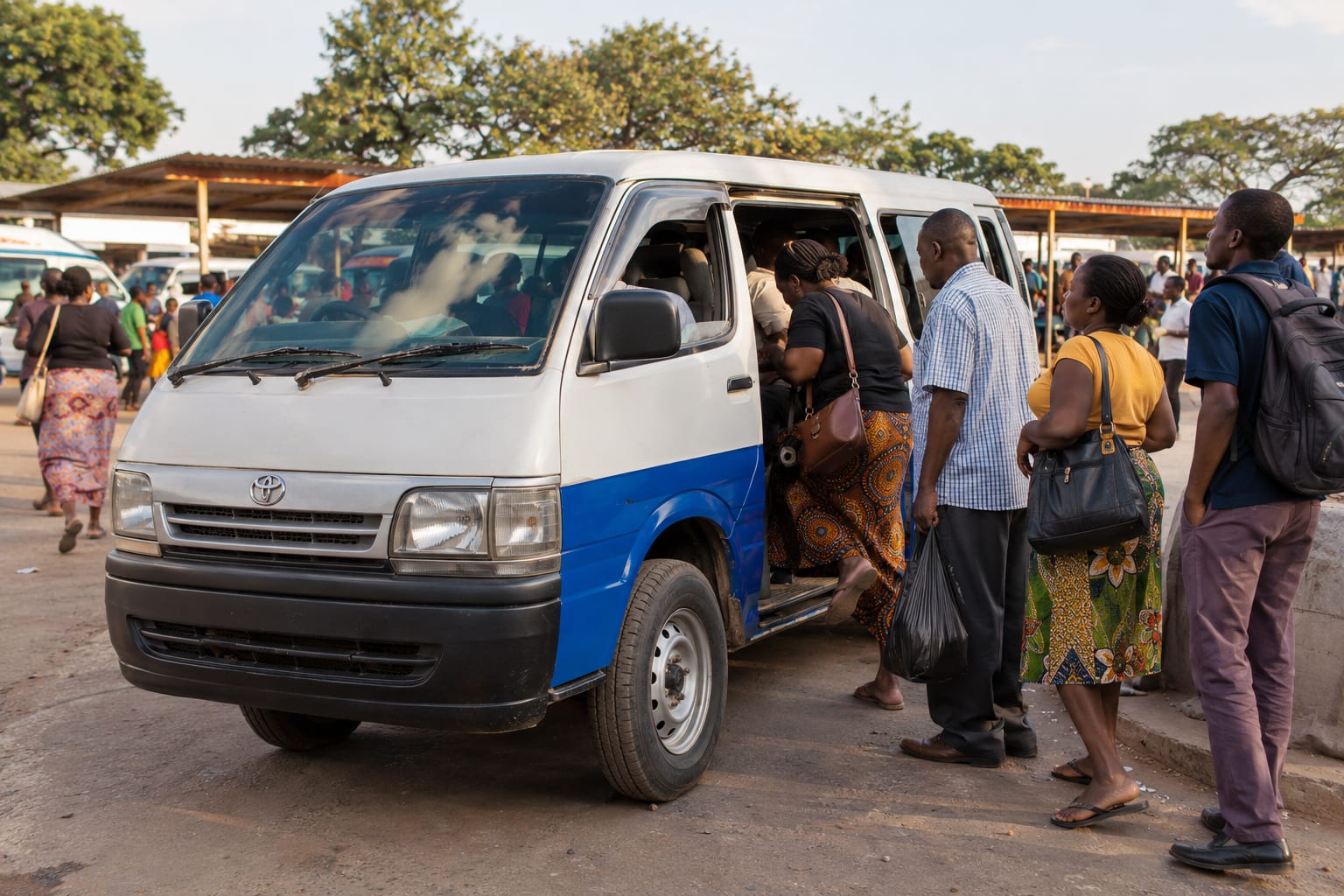 Illustration: Passengers queue to board a blue and white minibus.
If you own a car, fuel is the main recurring cost, and fuel was named as one of the main drivers of the non-food rise.
What does it mean if you are choosing a car?
Why running costs count for more now
A car that uses less fuel per kilometre protects you from price rises in a way a cheaper purchase price cannot.
 Illustration: A driver holds the steering wheel with a notebook and pen on the dashboard.
Fuel use, engine size and how you drive
How you drive shapes your fuel bill as much as what you drive. Lusaka stop-start traffic punishes big engines and rewards hybrids, which can run on battery power at low speeds. Long inter-town runs on open roads suit small, efficient petrol engines and sensible diesels, where steady cruising keeps consumption down.
Small hatchbacks around the 1,000 to 1,500 cc mark are sensible on fuel and easy to service locally. Hybrids cost more but shine in city traffic. Larger SUVs and wagons pay for their space at the pump.
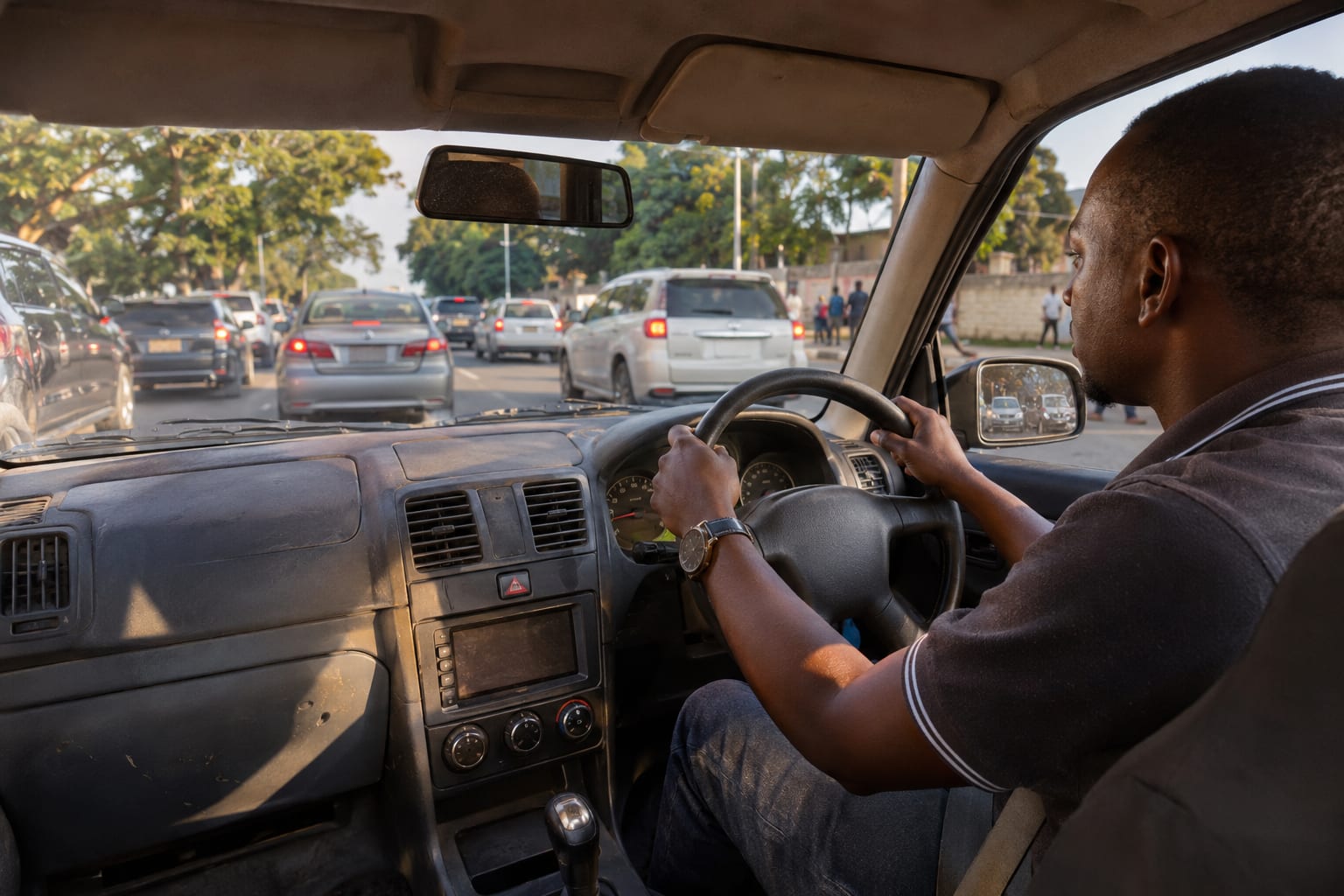 Illustration: A driver sits at the wheel amid dense city traffic.
The trade-offs
A hybrid can cost more up front, and the saving takes time to pay back. A larger engine costs more to run but may suit heavy loads or rough roads.
Engine capacity also affects import duty in Zambia. The flat duty depends on the age of the car, while engine size affects only a smaller carbon surtax, so a thriftier engine can trim that part of the bill as well as your fuel bill. The mechanics are set out on the Zambia import rules and regulations page.
To see how engine sizes vary, browse Toyota models available to order.
Where can you compare cars for running costs?
Carbarn lists used Japanese cars for import to Zambia, with the engine size, fuel type and odometer shown for every car, so you can compare running-cost factors before you commit.
The listed price covers the vehicle, shipping and JEVIC inspection, the pre-shipment check required before a car leaves Japan. It is not the total you pay: import duty, registration and port clearance charges are the buyer's responsibility. Carbarn offers no warranty and accepts full upfront payment only.
To start comparing, browse all cars available for import to Zambia or read the How to Buy guide for the step-by-step process.
What this does not show
The 6.3% headline rate and the 7.4% non-food rate are national, year-on-year changes in a price index for October 2026. They are averages; they do not say every fare or every litre of fuel rose by that much. They do not show pump prices at any one station, fares on any one route, or used-car prices in Zambia. Nothing here predicts your own fuel bill, which depends on the car you choose and how you drive it.
Method and sources
- Zambia Statistics Agency (ZamStats), October 2026 release: headline inflation 6.3% (October 2026 against October 2025), non-food 7.4%, food 5.7%. Checked 24 November 2026.
- ZamStats monthly bulletin page, for past issues of the monthly bulletin. Checked 24 November 2026.
- Mwebantu, reporting the Statistician General's remarks on fuel, accommodation services and passenger road transport as the main drivers. Checked 24 November 2026.
- All figures are quoted as published. No estimates or forecasts have been added.