Fuel bills make a small difference in fuel economy matter over a full year. That is especially true when your daily driving includes Lusaka traffic, school runs, shopping trips and long waits at busy junctions.
The highest advertised km/L figure still does not guarantee the lowest ownership cost. This guide compares official Japanese test figures, hybrid condition, cabin space, road suitability, servicing and Zambian import costs.
Quick Answer
- The Toyota Aqua B/MXPK10 benchmark leads the selected comparison at 35.8 km/L WLTC. The selected MXPK11 example has a separate 34.6 km/L WLTC figure.
- The Honda Fit Hybrid can offer a more flexible cabin for families and luggage.
- The Nissan Note e-POWER suits smooth, stop-start urban driving.
- The Toyota Vitz and Suzuki Swift are sensible petrol alternatives, but exact economy depends on variant.
- Actual consumption depends on traffic, load, tyres, air-conditioning, maintenance and driving style.
What counts as a fuel-efficient car in Zambia?
A fuel-efficient car in Zambia is one that combines sensible laboratory economy with affordable ownership, suitable ground clearance and manageable servicing. Toyota Japan’s Aqua B/MXPK10 reference version records 35.8 km/L WLTC combined, but that result does not automatically apply to every Aqua or selected vehicle (Toyota Japan, 2022 to 2024 specification).
WLTC is Japan’s newer laboratory test cycle, designed to represent city, suburban and highway driving. JC08 is an older Japanese test cycle, so you should not rank a JC08 number directly against a WLTC number. Nissan’s “Note environmental specification sheet” shows both systems, including 28.4 km/L WLTC and 33.8 km/L JC08 for a selected 2WD version (Nissan Japan, 2026).
Stop-start driving can favour hybrids because the electric motor assists acceleration and regenerative braking recovers some energy. Speed, hills, passengers, air-conditioning and tyre pressure can still reduce the result. Fuel prices can change, so your future fuel bill depends on both consumption and the pump price. Treat manufacturer figures as comparison benchmarks, not a promise of what you will achieve in Lusaka.
For a wider starting point, compare Japanese cars for Zambia by body style, engine size and intended use. The cheapest car to run on paper may not be the cheapest choice if it has poor parts support or does not suit your roads.
| Model and reference version |
Official combined figure |
Test cycle |
| Toyota Aqua B/MXPK10 reference version, 2WD |
35.8 km/L |
WLTC |
| Honda Fit current e:HEV reference, FF |
29.0 km/L |
WLTC |
| Nissan Note current e-POWER reference, 2WD |
28.4 km/L |
WLTC |
| Toyota Vitz, 2018 selected example |
Not verified for this vehicle |
— |
| Suzuki Swift, 2018 selected petrol example |
Not verified for this vehicle |
— |
These are controlled manufacturer results, not expected Lusaka figures. The Aqua, Fit and Note figures are reference results from specified versions. The Vitz and Swift remain simpler petrol alternatives because matching economy figures were not verified for the selected vehicles.
Is the Toyota Aqua the strongest small-car fuel saver?
The Toyota Aqua is a strong small-car choice for low fuel use in Lusaka. Toyota Japan rates the B/MXPK10 2WD reference version at 35.8 km/L WLTC combined (Toyota Japan, “Aqua B vehicle information”, 2022 to 2024 specification). The selected listing uses the MXPK11 code, whose official X-version figure is 34.6 km/L WLTC.
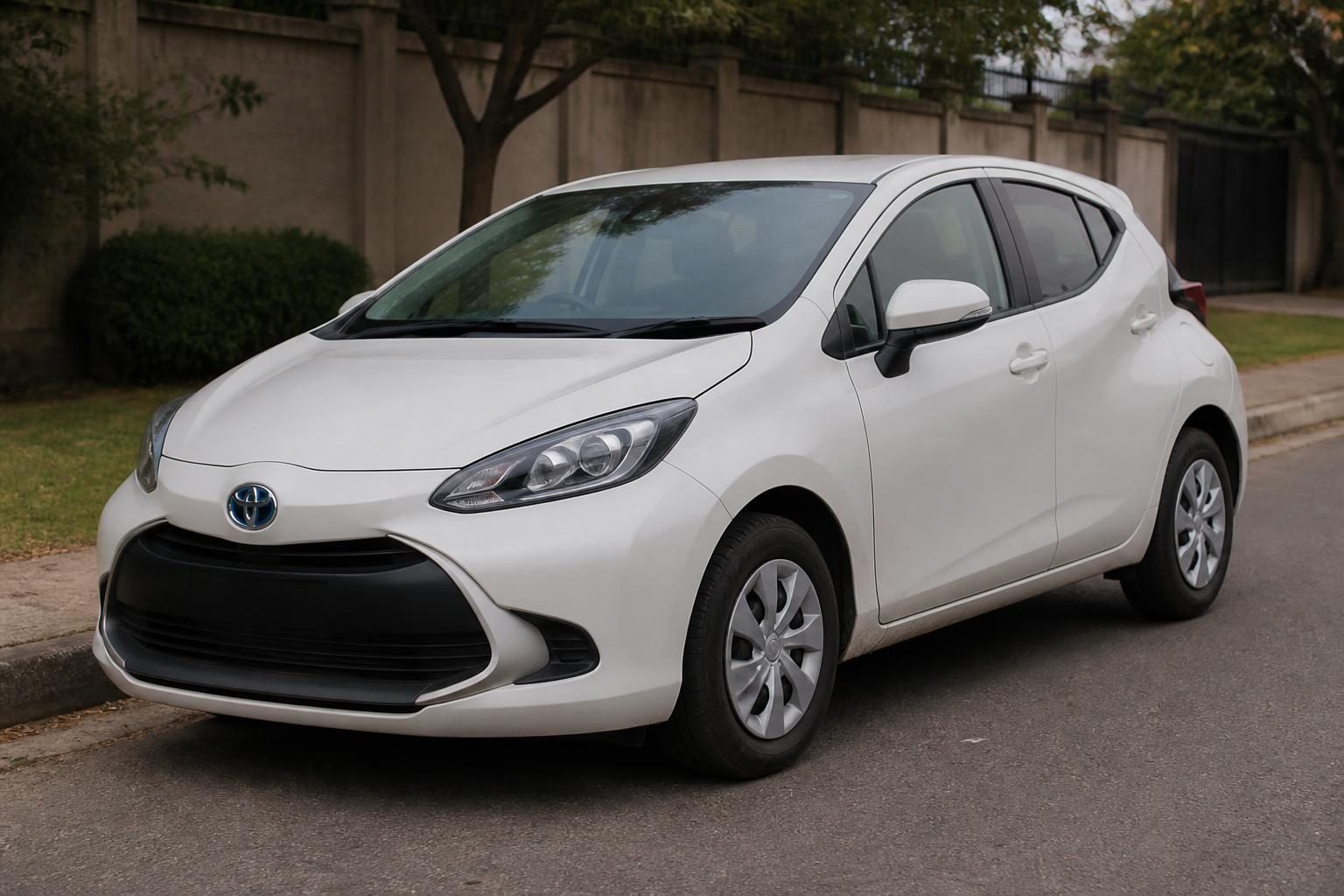 2022 Toyota Aqua
The selected example is a 2022, 1,500 cc hybrid with the MXPK11 model code, automatic electric continuously variable transmission and front-wheel drive. Its engine is rated at 91 PS and 120 Nm, with 104,000 km and auction grade 3.5 recorded on the vehicle page. An auction grade is the Japanese auction inspector’s condition assessment, not a warranty or guarantee.
The Aqua suits commuters and small households, although buyers should judge its rear cabin, boot and ground clearance against their own space and road-use needs. For other Toyota options, see Toyota cars in Zambia.
Do not treat an unlabelled ZMW band as a landed or on-road price. Compare the current vehicle price and any stated landed-cost estimate separately, then budget for customs duties, registration and port-clearance charges.
The Aqua’s headline economy makes it a strong city choice, but it is not automatically the best inter-town choice. If rough roads, heavy loads or frequent long trips are part of your routine, suspension condition and cabin space may matter more than a few extra kilometres per litre.
Is the Honda Fit Hybrid the better all-rounder for space?
The Honda Fit Hybrid is worth considering when you want low fuel use and a cabin that may suit varied loads. Honda Japan rates a selected current e:HEV front-wheel-drive reference version at 29.0 km/L WLTC, while selected 4WD versions return 25.3 km/L (Honda Japan, “Fit type comparison”, 2026). Those results do not automatically describe the selected 2018 vehicle.
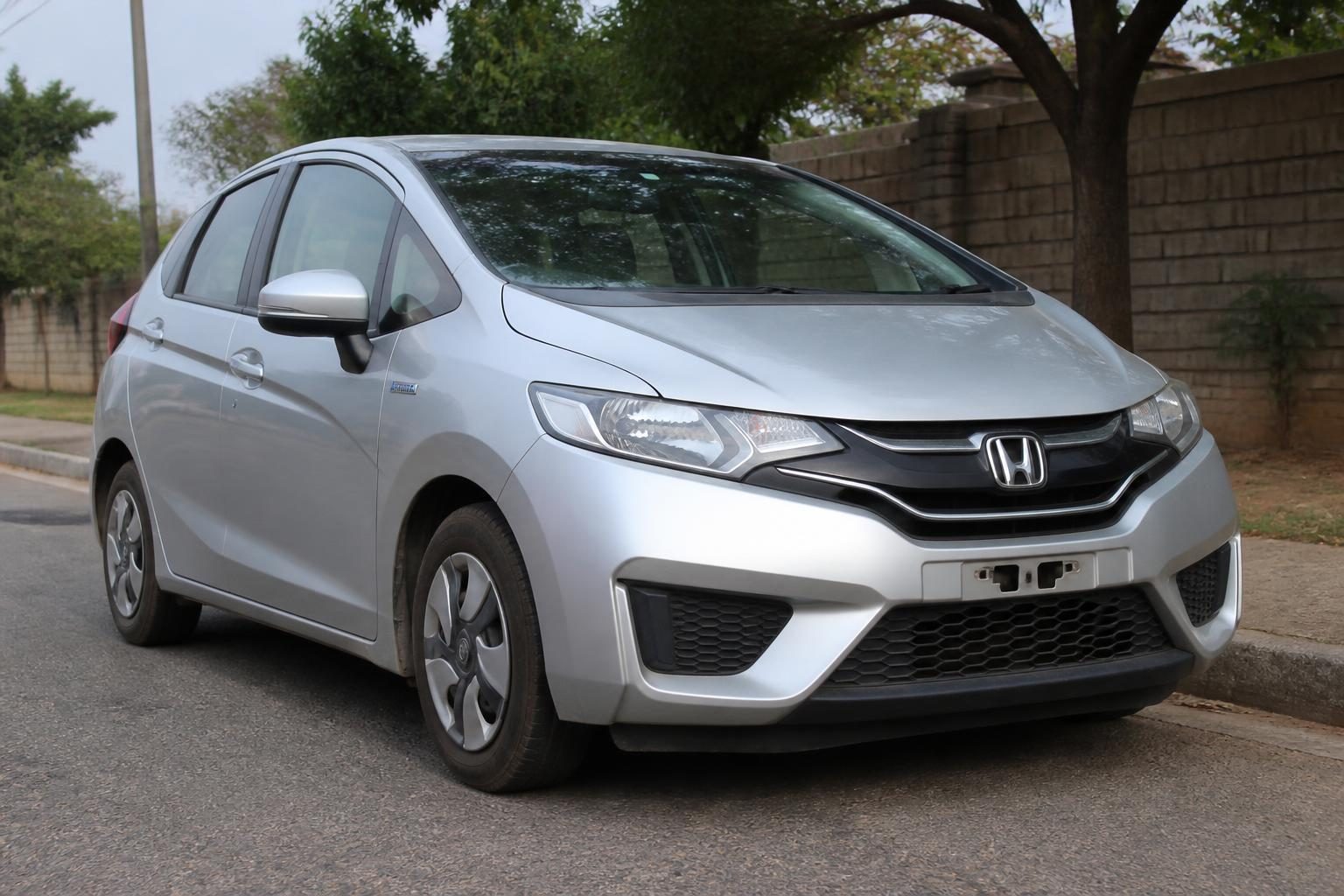 2018 Honda Fit
The selected vehicle is a 2018, 1,500 cc hybrid with the GP5 model code, automatic transmission and front-wheel drive. It produces 110 PS, has 109,000 km and carries auction grade 3.5. Its folding rear-seat layout is useful for shopping, work equipment or a small family. The 29.0 km/L figure belongs to a specified current version, not automatically to this 2018 example.
Choose the Fit when its cabin layout suits your passengers and luggage better than the Aqua’s laboratory result. Check the exact hybrid system, inspection notes, warning lights and available parts support before importing. Compare Honda Fit models by model year and drivetrain.
Is the Nissan Note e-POWER smooth in Lusaka traffic?
The Nissan Note e-POWER suits urban drivers who want smooth electric-motor response without plugging into a charger. e-POWER is Nissan’s system where a petrol engine generates electricity while an electric motor drives the wheels. Nissan records 28.4 km/L WLTC for a selected current-generation 2WD reference version (Nissan Japan, “Note environmental specification sheet”, 2026).
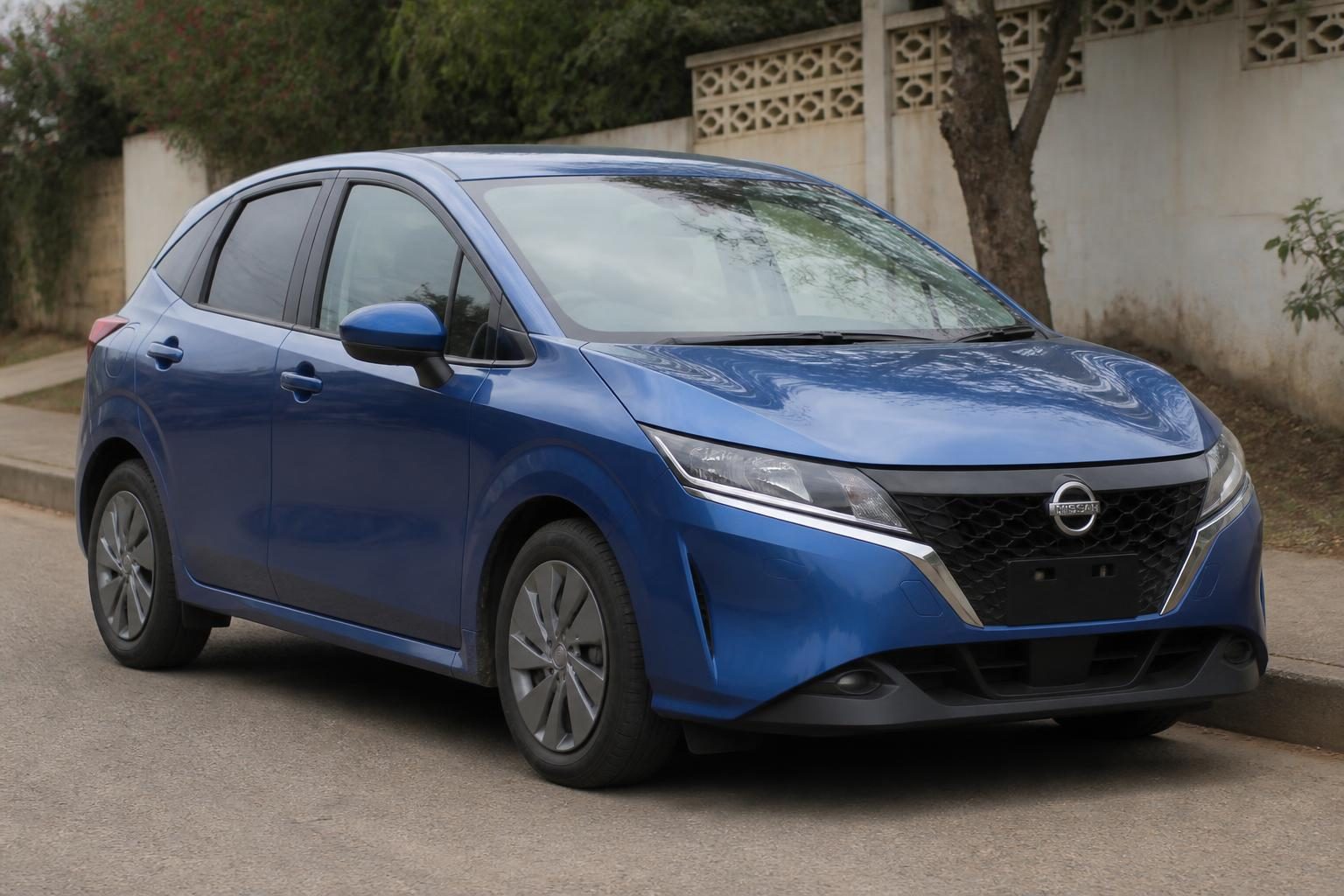 2021 Nissan Note
The selected 2021 example uses a 1,200 cc hybrid system, E13 model code, automatic transmission and front-wheel drive. Its HR12DE engine is rated at 82 PS, with 105,200 km and auction grade 4 recorded. The 28.4 km/L figure is a current-generation reference and should not be treated as a direct result for this selected example.
That drivetrain can feel quiet and responsive in stop-start traffic. The trade-off is a more specialised system, so confirm diagnostic and parts support before choosing it. Highway use, high speeds and a full passenger load can change real-world consumption, so compare the Note with a conventional hybrid for your usual routes.
Toyota Vitz, a simpler budget petrol option
The Toyota Vitz is a sensible choice when purchase price, simple petrol ownership and familiar Toyota servicing matter more than maximum fuel economy. Its selected 2018 vehicle page records 27,000 km and auction grade 4, giving buyers a useful lower-mileage example to inspect. No matching official fuel-economy figure is applied to this vehicle.
 2018 Toyota Vitz
The vehicle record identifies this example as a 996 cc petrol, 2WD automatic with the KSP130 model code. The page does not provide a full engine power or fuel-economy specification, so do not assume every Vitz returns the same figure. Confirm the fuel type, engine code and transmission before payment. Its compact size works well around Lusaka, but it is less suitable for five adults, heavy loads or rough roads.
Compare the Vitz's clearly labelled vehicle price with the cost of an older hybrid before deciding. It can be the better value choice when battery condition or specialist repairs create too much uncertainty.
Suzuki Swift, a light and compact alternative
The Suzuki Swift gives budget buyers a lightweight petrol hatchback. The selected 2018 vehicle is petrol, and the available Suzuki page does not verify a matching fuel-economy figure for this exact year and drivetrain. No current HYBRID MX result is applied to it.
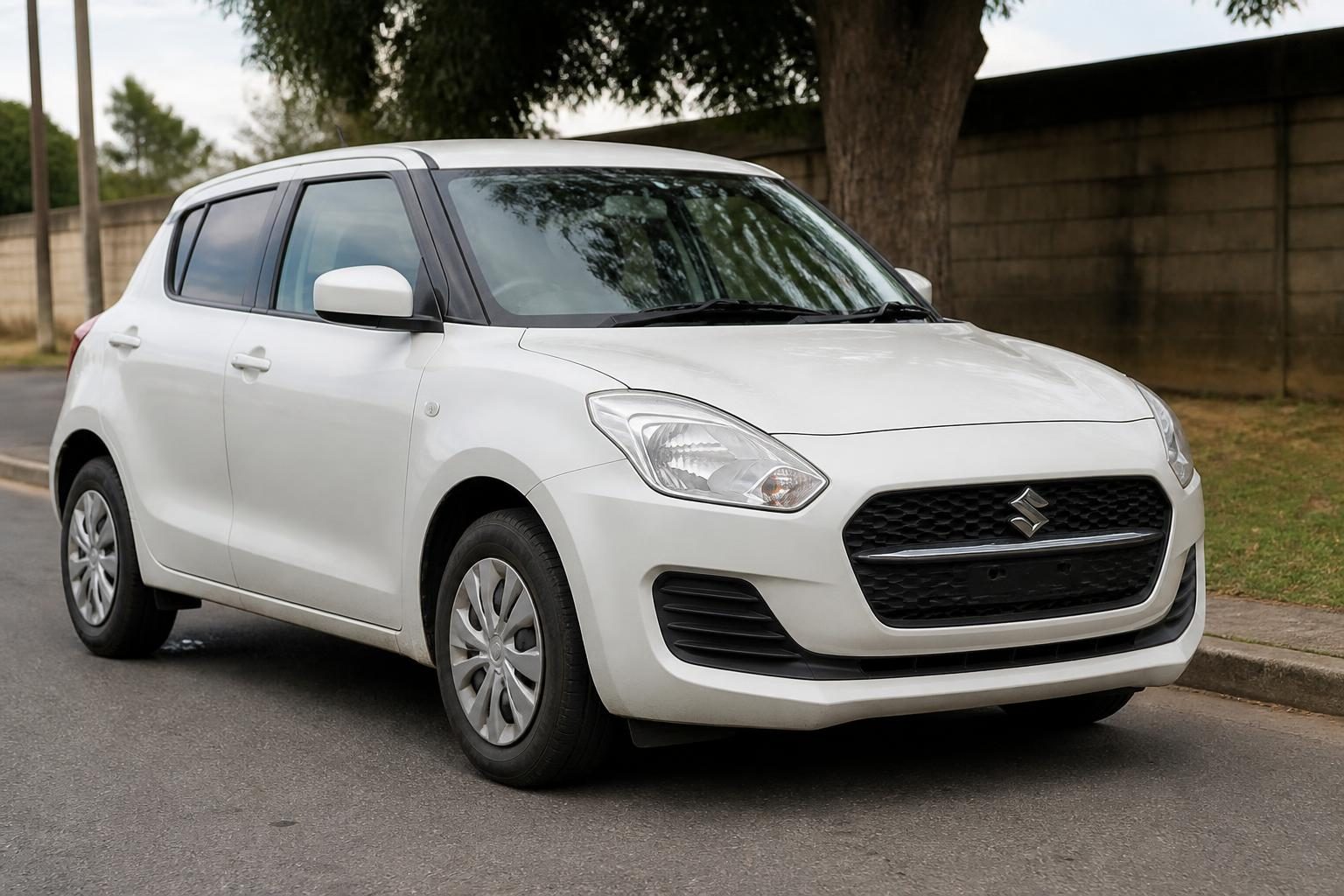 2018 Suzuki Swift
The selected 2018 vehicle is labelled petrol and has a 1,200 cc K12C engine, 91 PS, front-wheel drive and a manual transmission. Its recorded odometer is 31,000 km and its auction grade is 4.5. Its compact hatchback shape can make it easy to place around town, while the five-seat layout adds everyday practicality.
The main caution is variant support. Confirm the exact transmission, fuel system, parts access and servicing experience in your area. The Swift may suit a buyer who wants compact running costs without choosing a full hybrid system.
Which fuel-efficient car suits your driving and budget?
The Aqua B/MXPK10 reference version leads the verified comparison at 35.8 km/L WLTC. The selected MXPK11 example has a separate 34.6 km/L WLTC figure, while the Fit and Note figures come from specified current-generation references (Toyota Japan, 2022 to 2024; Honda Japan, 2026; Nissan Japan, 2026). The right choice depends on route, passengers, condition and repair planning.
| Buyer need |
Recommended model |
Why it fits |
Main caution |
| Lowest verified reference figure |
Toyota Aqua |
Strong hybrid economy and compact size |
Battery, space and ground clearance |
| More cabin flexibility |
Honda Fit Hybrid |
Useful folding rear-seat layout |
Current figure does not describe the selected 2018 vehicle |
| Smooth urban response |
Nissan Note e-POWER |
Electric-motor drive feel in traffic |
Current figure does not describe the selected 2021 vehicle |
| Simpler budget hatch |
Toyota Vitz petrol |
Familiar compact petrol format |
Exact economy varies by engine |
| Lightweight alternative |
Suzuki Swift |
Easy to handle and practical |
Exact economy is not verified for the selected variant |
Mostly drive in Lusaka? Start with the Aqua, Fit Hybrid or Note. Mix city driving with inter-town trips? The Fit or a carefully inspected Aqua may suit you better. If you travel on rough roads, prioritise tyre sidewalls, suspension, underbody condition and ground clearance.
For planning, compare each vehicle's clearly labelled vehicle price or estimated landed price separately. Landed cost means the cost of getting the vehicle to its destination, but it does not automatically include customs duties, registration or port-clearance charges. Fit, Note and Aqua costs vary heavily by year, drivetrain and condition.
What should you check before importing one?
Before importing a Japanese car, check its right-hand-drive configuration, model code, auction sheet, inspection report, engine capacity and likely customs treatment. Zambia has no vehicle age limit for this process, but only right-hand-drive vehicles are permitted. Engine capacity, age and documentation affect the assessment under current rules (Zambia import rules and regulations, 2026).
Read the official Japanese auction sheet alongside the separate inspection report. Check the auction grade, odometer, repair notes, warning lights, tyres, suspension, underbody and interior wear. For a hybrid, ask for available battery information and confirm that the model code matches the drivetrain.
Zambia requires pre-shipment roadworthiness inspection by ZCSA-appointed agents. JEVIC is a Japanese vehicle inspection service used for pre-export checks. Confirm that the required inspection documentation is arranged before export, and review the Zambia import rules and costs before setting a final budget.
Customs duties, local registration fees and port-clearance charges remain separate from the vehicle and shipping price unless a quotation states otherwise. Do not judge an import by its vehicle price alone.
What happens after you choose a car?
After you choose a Japanese vehicle, the process normally involves document review, payment, pre-export checks, sea freight and overland delivery. A RoRo vessel carries vehicles that are driven on and off the ship. The route normally involves Japan, Dar es Salaam and overland delivery into Zambia, with an estimated timeframe of about 6 to 10 weeks from purchase confirmation (Carbarn FAQ, 2026).
Carbarn’s Zambia import process provides the Japanese auction sheet and in-house inspection report before payment. The dashboard provides invoices, inspection documents, bill of lading and vessel tracking. JEVIC inspection is included before export.
The all-inclusive vehicle and shipping price covers the car, shipping and JEVIC inspection. It does not cover customs duties, registration or port clearance. Payment is upfront through the official invoice, with bank transfer or card payment available. Browse Japanese cars for Zambia or read how the buying process works.
The bottom line
The Toyota Aqua B/MXPK10 reference version leads this comparison with a 35.8 km/L WLTC result, but the selected MXPK11 listing should be judged against its separate 34.6 km/L WLTC figure. That number is only one part of the decision (Toyota Japan, “Aqua B vehicle information”, 2022 to 2024 specification). The Fit brings more cabin flexibility, the Note offers smooth urban driving, and the Vitz or Swift can reduce drivetrain complexity.
Compare the exact model code, fuel type, engine size, auction grade, inspection evidence and route before choosing. A car that uses slightly more petrol may still cost less to own when its condition, servicing and purchase price fit your situation.