Fuel economy matters when you drive through Lusaka traffic every day. However, the lowest official fuel figure does not always make the best imported car for Zambia.
You also need to consider engine capacity, ground clearance, battery evidence, parts access, passenger space and long inter-town trips. This ranking weights fuel economy at 25%, clearance and road suitability at 20%, parts access at 15%, body style and space at 15%, condition and battery risk at 15%, and import suitability at 10%. The scores favour a sensible fit for Zambian use, not just the highest laboratory figure. For a wider shortlist, compare the models below.
Quick Answer
- The Toyota Aqua is the strongest starting point for many Lusaka commuters.
- The Honda Fit Hybrid offers more flexible cabin space in a compact body.
- The Toyota Prius suits higher-mileage and longer-distance drivers.
- The Corolla Fielder Hybrid carries luggage well, while the Sienta adds seven seats.
- Toyota Japan lists selected Yaris hybrids at 36.0 km/L WLTC, but official figures are test results, not promises.
Japanese Hybrid Choice Criteria for Zambia
In 2026, selected Japanese hybrid figures range from 26.0 km/L WLTC for the Honda Vezel to 36.0 km/L WLTC for the Toyota Yaris (Honda Japan Vezel specifications, 2026; Toyota Japan Yaris specification PDF, 2026). A good Zambian hybrid still needs suitable condition, clearance, parts support and the right body style.
Hybrids make particular sense in stop-start Lusaka driving because the electric motor can assist during low-speed acceleration. A conventional hybrid uses petrol and electric power together. Nissan e-POWER works differently, with the petrol engine generating electricity while an electric motor drives the wheels.
Long inter-town journeys change the priorities. A Prius, Fielder or Corolla may suit you better than a tiny hatchback if you carry luggage regularly. Carbarn’s guide says Zambia has no general import age limit, but age can still affect customs treatment and older vehicles need closer checks on battery health, suspension, tyres, corrosion and resale demand. Carbarn’s guide also says imported vehicles should be right-hand drive, so confirm current eligibility before paying.
Japanese fuel figures use different test cycles. WLTC is newer and combines city, suburban and motorway testing. JC08 is an older Japanese cycle. Never compare them as if they were measured in the same conditions.
What Are the 10 Best Japanese Hybrid Cars for Zambia?
In 2026, Toyota’s current specifications list up to 34.3 km/L WLTC for selected Aqua versions, while the 2017 Fielder figure below uses the separate JC08 cycle (Toyota Japan Aqua catalogue, 2026; Toyota Japan Corolla Fielder catalogue, 2017). The ranking favours buyer fit over headline economy.
| Rank |
Model |
Body style |
Engine capacity |
Best use |
| 1 |
Toyota Aqua |
Hatchback |
1,490cc or 1,496cc, depending on model |
Lusaka commuting |
| 2 |
Honda Fit Hybrid |
Hatchback |
1,496cc |
Flexible small-family use |
| 3 |
Nissan Note e-POWER |
Hatchback |
1,198cc |
Urban driving |
| 4 |
Toyota Prius |
Hatchback |
1,797cc |
High annual mileage |
| 5 |
Toyota Corolla Fielder Hybrid |
Wagon |
1,496cc |
Family luggage |
| 6 |
Toyota Corolla Axio Hybrid |
Sedan |
1,496cc |
Conventional sedan use |
| 7 |
Toyota Yaris Hybrid |
Hatchback |
1,490cc |
Newer compact efficiency |
| 8 |
Honda Vezel Hybrid |
Crossover |
1,496cc |
Higher seating position |
| 9 |
Toyota Sienta Hybrid |
People mover |
1,496cc for the 2018 model |
Seven-seat family use |
| 10 |
Toyota Corolla Hybrid |
Hatchback |
1,797cc |
Balanced all-round driving |
1. Toyota Aqua, best compact hybrid for Lusaka
The Toyota Aqua listings in Zambia make a strong starting point for city commuters. Its compact hatchback body is easy to park, while the Toyota hybrid layout suits frequent stop-start driving.
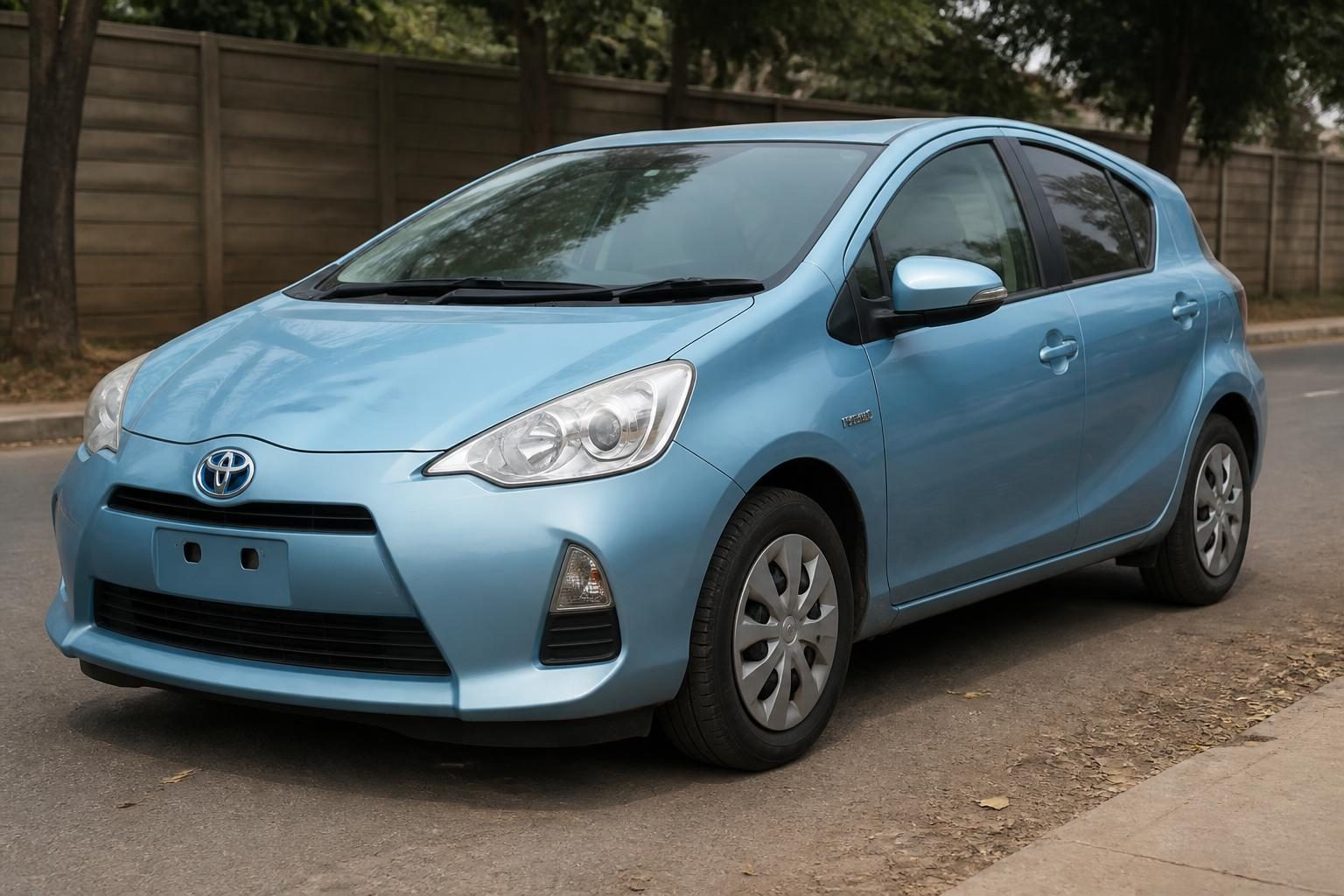 2014 Toyota Aqua
The 2014 reference example uses the NHP10 model code, a 1,496cc 1NZ-FXE engine and five seats (Carbarn Zambia, “2014 Toyota Aqua vehicle page”, 2026). Current Aqua figures do not automatically apply to older cars. Skip it if you regularly carry five adults, heavy luggage or use rough roads.
2. Honda Fit Hybrid, best small hybrid for flexible space
The 2021 Honda Fit Hybrid combines a small footprint with a useful, flexible cabin. It suits small families that need easier loading than a typical compact hatchback provides.
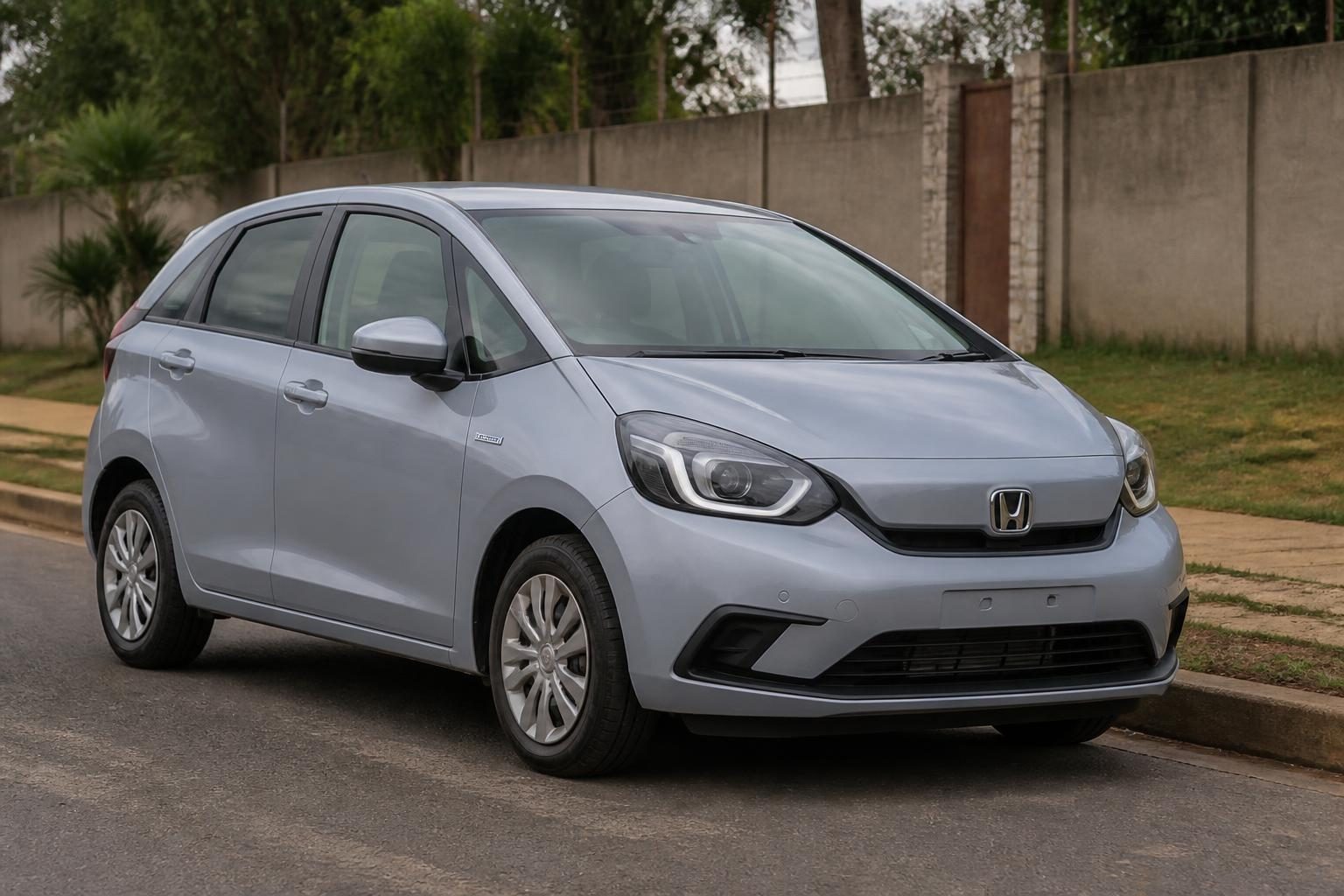 2021 Honda Fit
The listed GR3 example has a 1,496cc hybrid system and five seats (Carbarn Zambia, “2021 Honda Fit vehicle page”, 2026). In 2026, Honda Japan lists up to 29.1 km/L WLTC for a current e:HEV X configuration (Honda Japan Fit specifications, 2026). Skip it if you only want Toyota’s hybrid architecture.
3. Nissan Note e-POWER, best for electric-like urban driving
The 2017 Nissan Note offers a different hybrid experience. Its e-POWER system uses a petrol engine to generate electricity, while an electric motor drives the wheels.
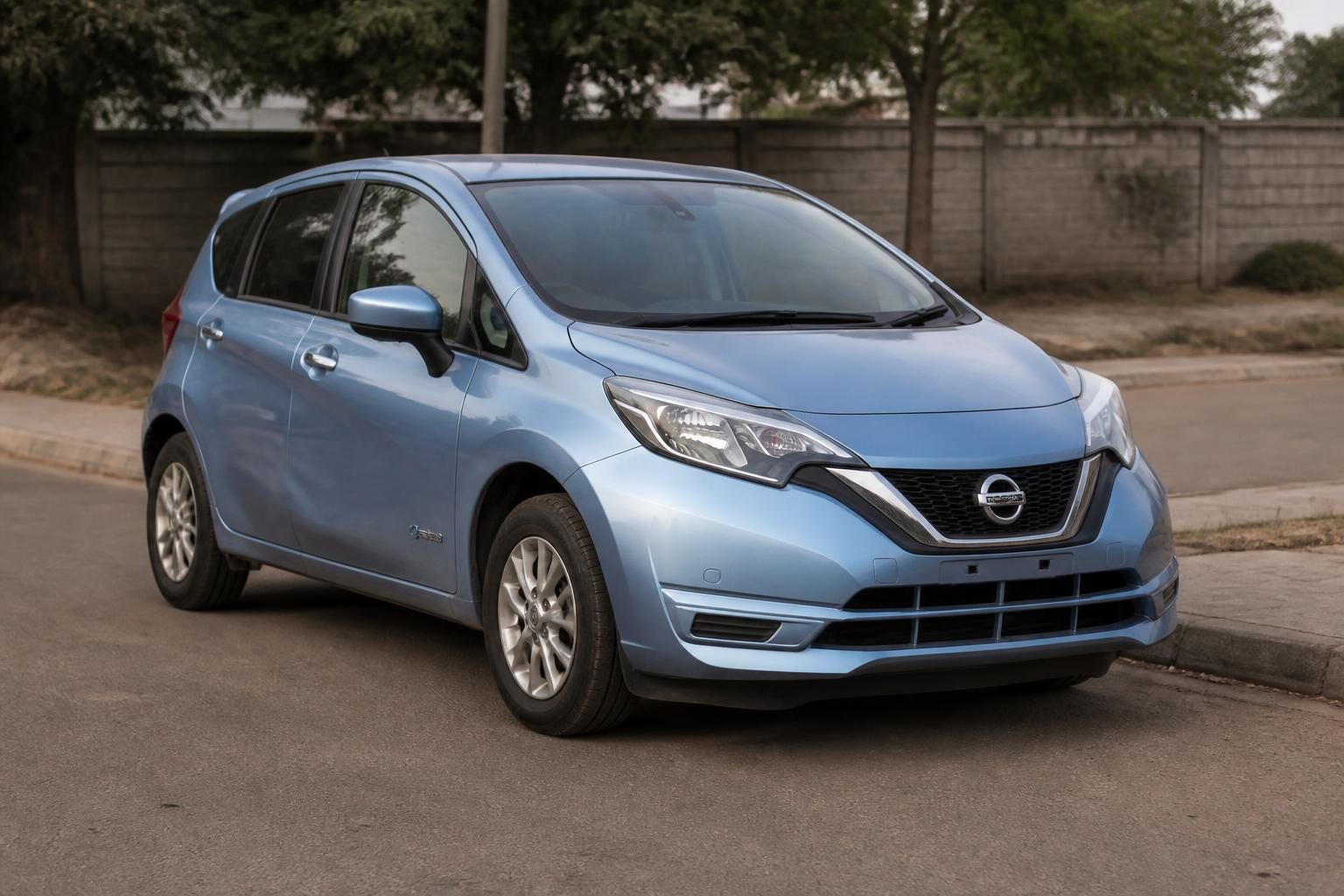 2017 Nissan Note
The reference HE12 uses a 1,198cc engine, automatic transmission, front-wheel drive and five seats (Carbarn Zambia, “2017 Nissan Note vehicle page”, 2026). Nissan lists 28.4 km/L WLTC for one current Note X configuration (Nissan Note e-POWER article, 2026). Skip it if local e-POWER support cannot be confirmed.
4. Toyota Prius, best proven long-distance hybrid
The 2015 Toyota Prius is a sensible choice for higher annual mileage. It offers more cabin space than the Aqua and a mature Toyota hybrid platform.
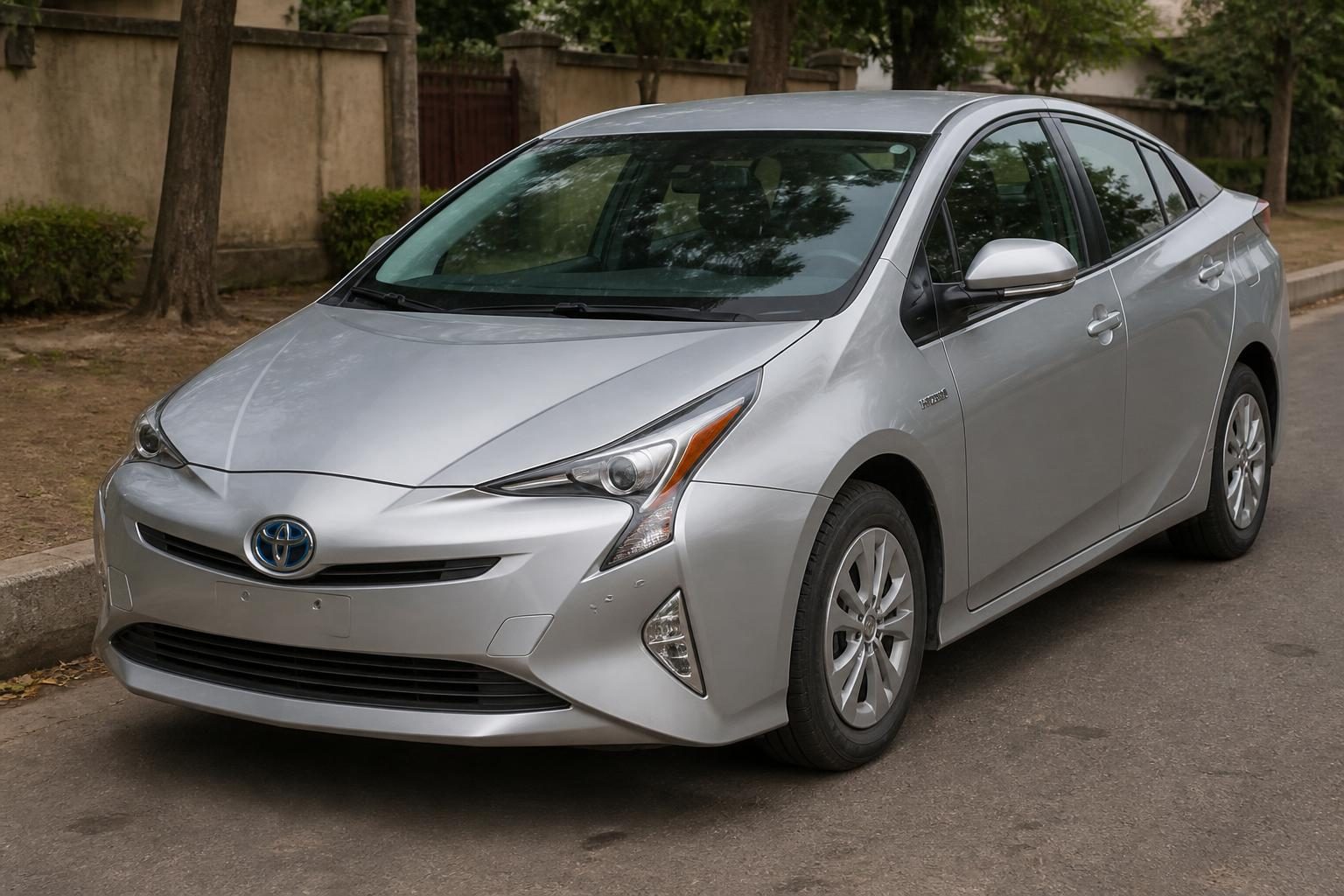 2015 Toyota Prius
The ZVW50 reference example uses a 1,797cc 2ZR-FXE engine, front-wheel drive and five seats (Carbarn Zambia, “2015 Toyota Prius vehicle page”, 2026). In 2026, Toyota lists 32.6 km/L WLTC for the current Prius X 2WD (Toyota Japan Prius X information, 2026). Skip it if high clearance matters most.
5. Toyota Corolla Fielder Hybrid, best family wagon
The Toyota Corolla Fielder example is the practical wagon choice. Its long roof and rear cargo area suit groceries, luggage and business equipment better than a small hatchback.
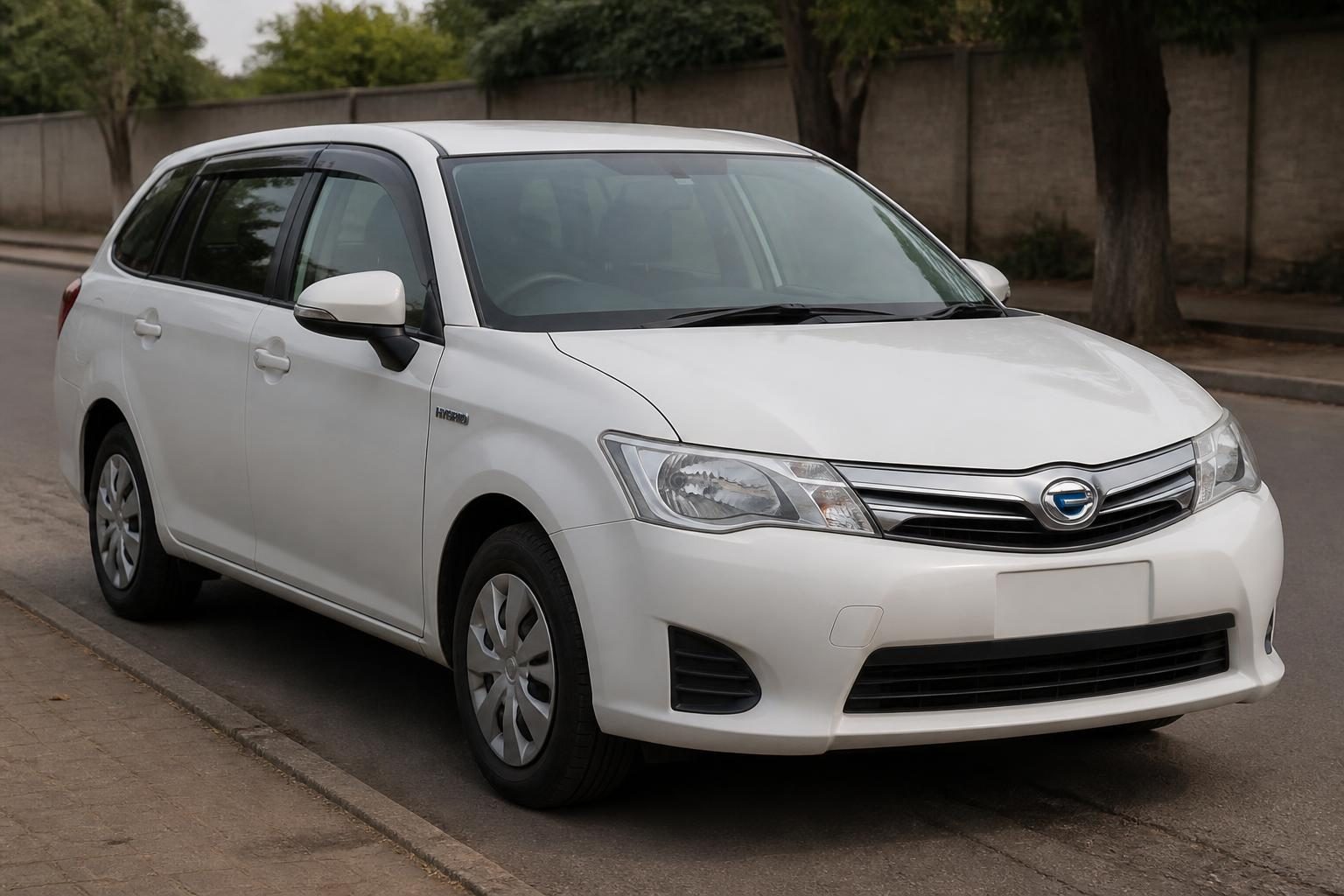 2013 Toyota Corolla Fielder
Toyota’s 2017 Japanese specification lists a 1,496cc hybrid engine and 34.4 km/L JC08 (Toyota Japan Corolla Fielder catalogue, 2017). That older cycle should not be compared directly with WLTC. Skip it if you rarely need extra cargo space.
6. Toyota Corolla Axio Hybrid, best conservative sedan
The Toyota Corolla Axio suits buyers who prefer a familiar four-door sedan. It offers a separate boot, five seats and a conventional driving position.
The Japanese-market NKE165 uses a 1,496cc hybrid system. Fuel results vary by grade and model year, so check the exact Toyota specification before comparing figures (Toyota Japan Corolla Axio fuel-economy catalogue, 2026). Skip it if you need flexible hatchback loading.
7. Toyota Yaris Hybrid, best newer compact efficiency option
The Toyota Yaris Hybrid is worth considering when you want a newer, easy-to-park compact car. Its small footprint works well around Lusaka, especially where parking space is limited.
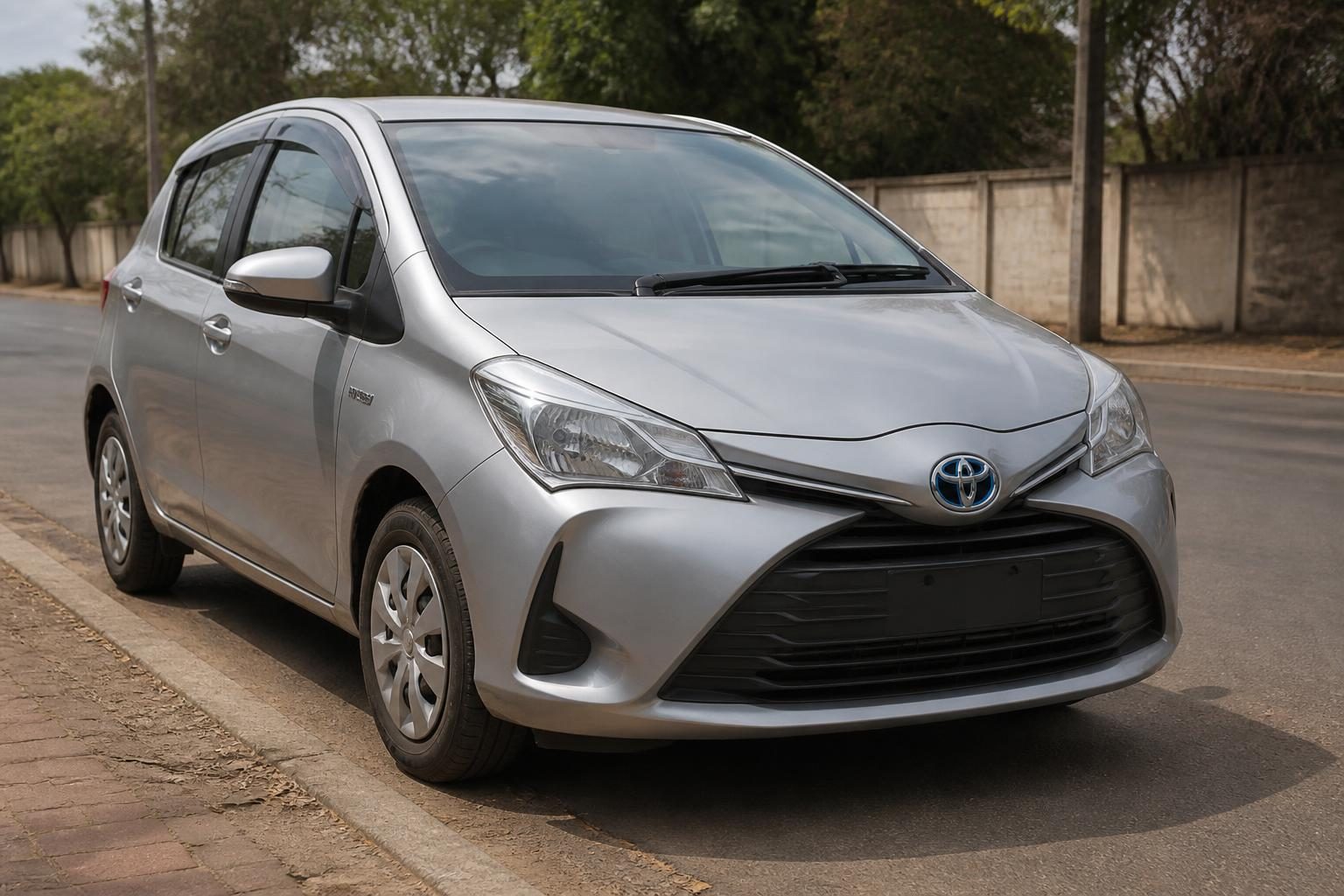 Toyota Yaris
Selected Japanese 2WD hybrid configurations reach 36.0 km/L WLTC and use a 1,490cc system (Toyota Japan Yaris specification PDF, 2026). Skip it if rear-seat space matters more than compact efficiency.
8. Honda Vezel Hybrid, best hybrid crossover
The Honda Vezel Hybrid example gives you a higher seating position and five-seat practicality. It is a useful middle ground between a small hatchback and a larger SUV.
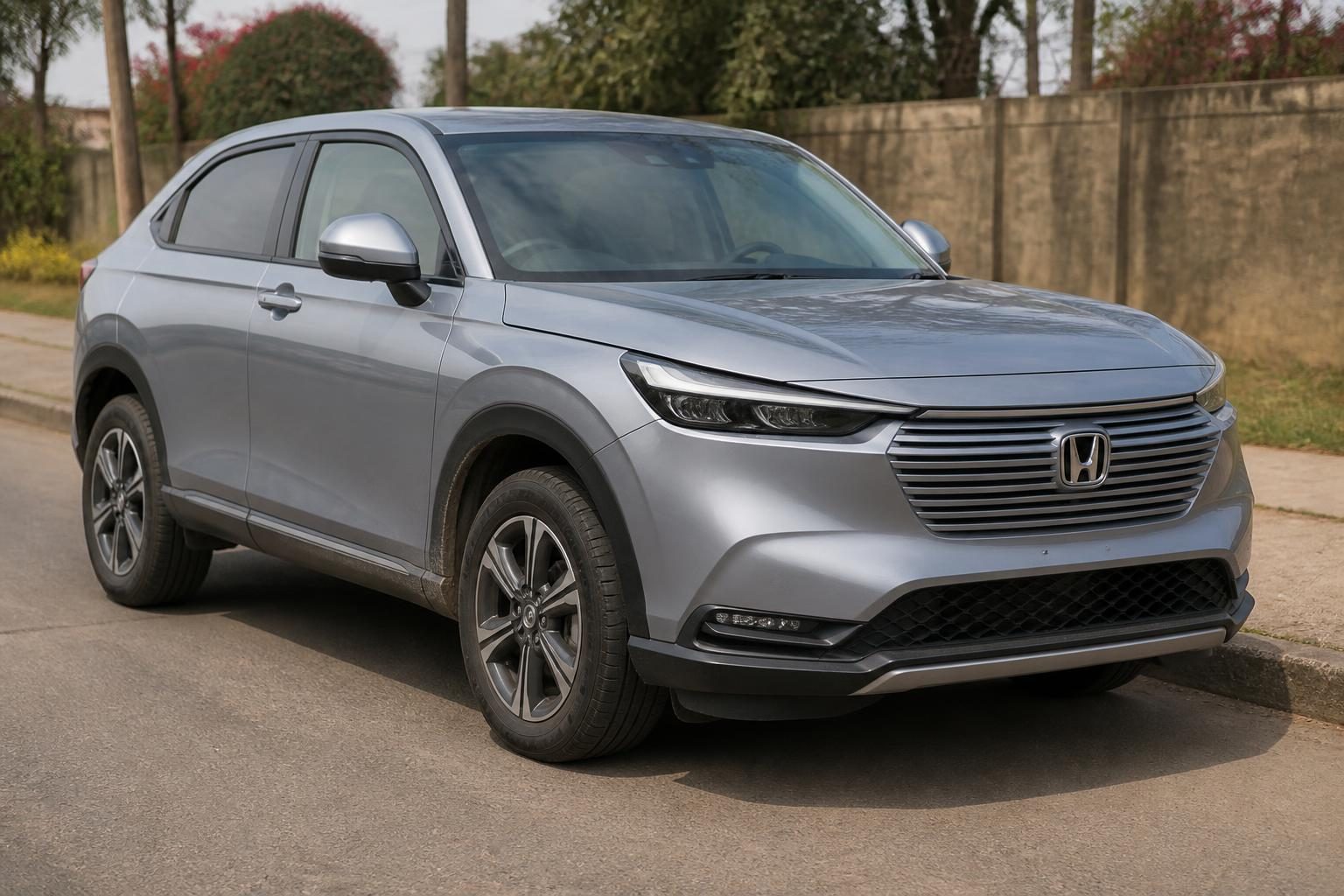 2021 Honda Vezel
The RV5 reference uses a 1,496cc e:HEV system and five seats. Honda lists up to 26.0 km/L WLTC for a current 2WD e:HEV X (Honda Japan Vezel specifications, 2026). Skip it if the lowest possible fuel bill is your only priority.
9. Toyota Sienta Hybrid, best seven-seat fuel-saving option
The Toyota Sienta example makes sense for families that genuinely need extra seats. Its compact people-mover body is easier to use in town than a large minivan.
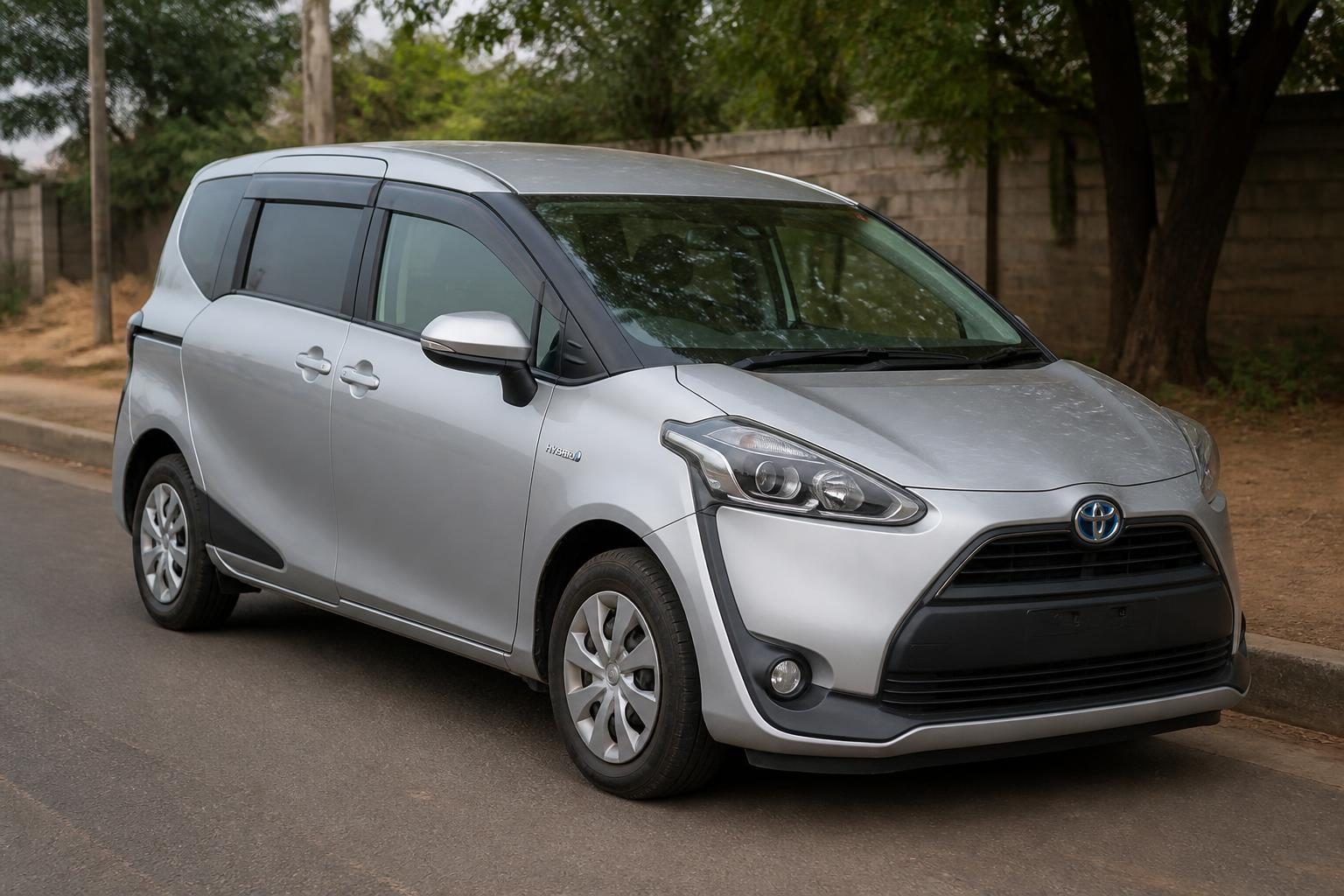 2018 Toyota Sienta
The NHP170G uses a 1,496cc hybrid system and seven seats. Selected Japanese configurations list 27.6 km/L WLTC (Toyota Japan Sienta specification PDF, 2025). The third row suits children or occasional use. Skip it if you rarely carry more than four people.
10. Toyota Corolla Hybrid, best balanced all-rounder
The 2018 Toyota Corolla Hybrid example is a more substantial alternative to the Aqua. It suits buyers wanting five-seat comfort without moving into an SUV.
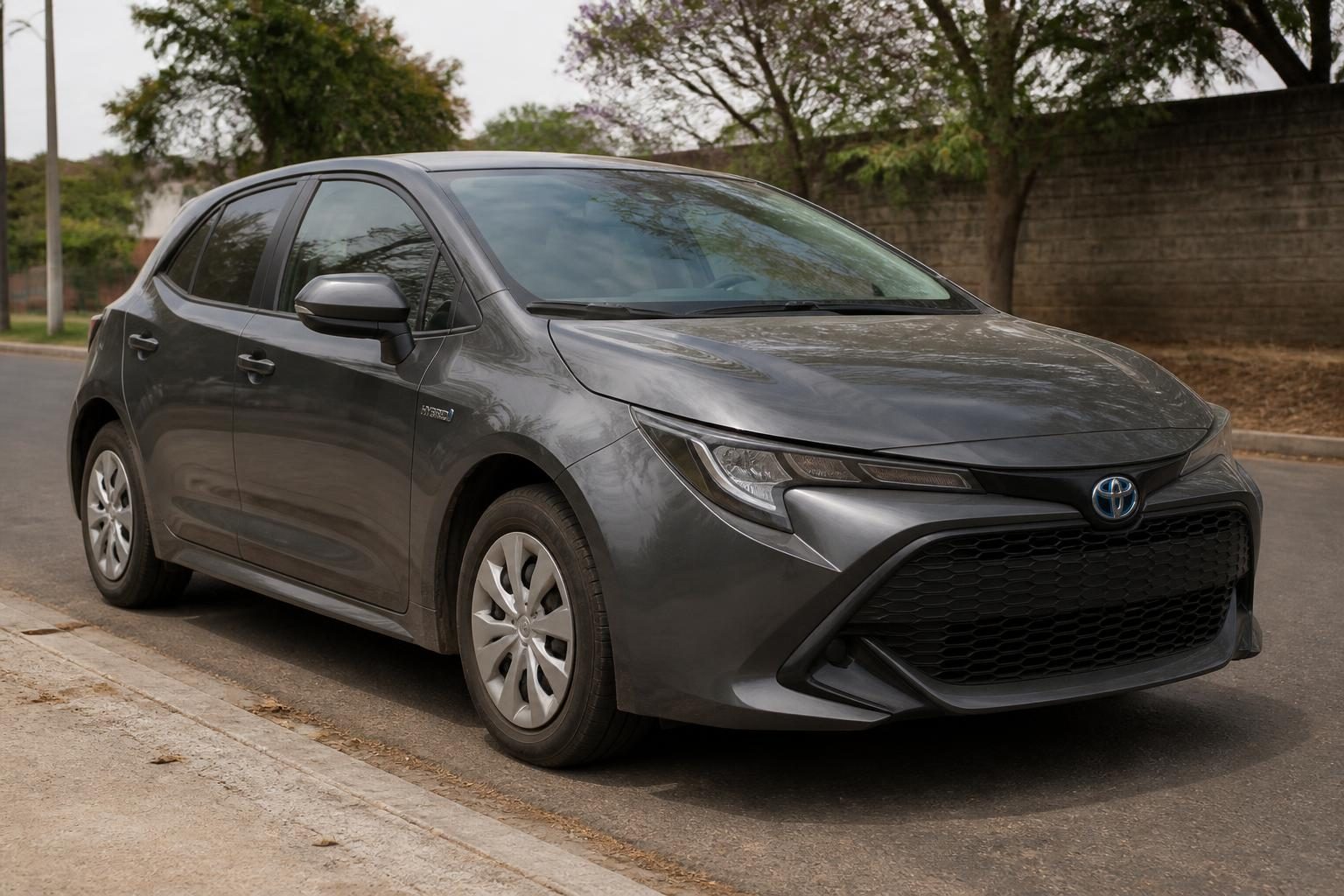 2018 Toyota Corolla
The Japanese-market ZWE211H uses a 1,797cc hybrid system and five-seat hatchback packaging (Carbarn Zambia, “2018 Toyota Corolla vehicle page”, 2026). Grade, drivetrain and fuel-cycle results vary, so confirm the exact specification. Skip it if you need the lowest engine-capacity band.
Which Hybrid Suits Your Budget and Driving?
In 2026, the current Japanese Yaris figure of 36.0 km/L WLTC is higher than the Sienta’s selected 27.6 km/L result, but that does not make the Yaris better for every family (Toyota Japan Yaris specification PDF, 2026; Toyota Japan Sienta specification PDF, 2025). The right choice depends on passengers, roads, luggage and inspection confidence.
| Buyer type |
Best starting point |
Why |
| Mostly Lusaka traffic |
Toyota Aqua |
Compact and easy to place |
| Small family |
Honda Fit Hybrid |
Flexible cabin |
| High annual mileage |
Toyota Prius |
Larger hybrid platform |
| Family luggage |
Corolla Fielder |
Wagon cargo space |
| Seven seats needed |
Toyota Sienta |
Compact people-mover layout |
| Higher seating position |
Honda Vezel |
Crossover body |
| Sedan preference |
Corolla Axio |
Conventional four-door shape |
| Newer compact preference |
Toyota Yaris |
Strong selected WLTC figures |
If you want to check current Toyota Aqua listings and pricing in Zambia, start with the Toyota Aqua model page rather than an old article. Treat any quoted vehicle price as time-sensitive. It should not be treated as the final landed or on-road cost.
A cheaper older hybrid can become poor value if it needs a battery, suspension work, tyres or unusual parts. Buyers who regularly use rough roads or carry heavy loads should not choose on fuel economy alone. Start with the Toyota Aqua if city use is your main priority.
What Should You Check Before Importing a Japanese Hybrid?
Carbarn’s Zambia import-rules guide says right-hand-drive vehicles are permitted. Zambian customs costs depend on the vehicle’s CIF or value-for-duty-purpose assessment, tariff classification, engine capacity, age and applicable duties. Confirm the current assessment with a licensed clearing agent and review Carbarn’s Zambia import rules before paying. The safest purchase is supported by documents and inspection evidence, not just a familiar badge.
Check these points before paying:
- Exact engine capacity in cc and model code.
- Whether the vehicle meets current right-hand-drive eligibility requirements.
- Original auction sheet and auction grade.
- Odometer consistency.
- Hybrid battery evidence or diagnostic information where available.
- Tyres, suspension, underbody condition and corrosion.
- Signs of flood or accident damage.
- Whether the car is a conventional hybrid or e-POWER.
- Estimated landed cost against the vehicle-only price.
- Current customs, registration and port-clearance requirements.
The Zambia import rules for Japanese vehicles explain the main documents and shipping route. Do not rely on an old duty table, because charges depend on classification, engine capacity, age and assessed value.
What Does a Managed Japan-to-Zambia Import Include?
The published buying guidance describes the import process and the documents involved. A managed process should provide evidence before payment, a clear route and documents you can track. Confirm the current delivery estimate before committing.
[ORIGINAL DATA] The useful comparison is not only the badge. It is whether the auction sheet, odometer, inspection report, battery evidence and engine capacity agree.
Carbarn Zambia lists vehicles for import, provides the official Japanese auction sheet and in-house inspection report before payment, completes JEVIC certification before export, ships by RoRo to Dar es Salaam, and then arranges overland delivery into Zambia. Its dashboard provides invoices, inspection documents, the bill of lading and vessel tracking. The listed all-inclusive price covers the vehicle, shipping and JEVIC inspection, but customs duties, local registration and port-clearance charges remain separate. Full payment is arranged through the official proforma invoice.